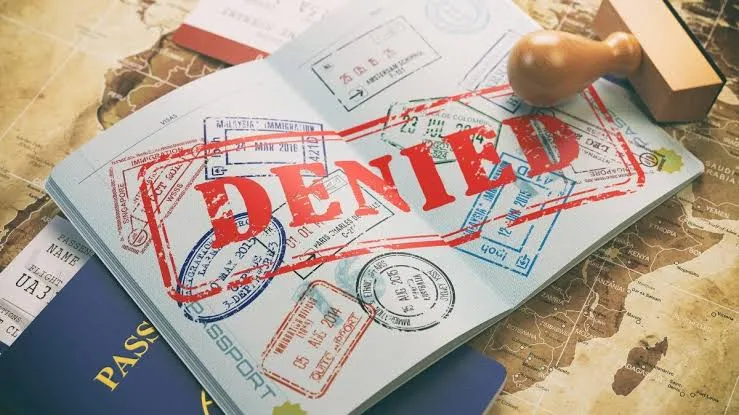
For students planning to study in the United States, the F-1 visa interview can be a decisive part of the process. Admission to a US university does not by itself guarantee visa approval, and applicants must still satisfy US immigration requirements.
Applicants generally need to demonstrate that they qualify for student status, have sufficient funds for their education and living expenses, and intend to leave the United States after completing their authorized studies unless their circumstances and immigration status change lawfully.
The way a consular officer evaluates an application can vary based on the applicant’s age, education, employment history, finances, previous US immigration history and overall circumstances.
1. Country and Individual Circumstances
An applicant’s nationality and personal circumstances can affect the context in which a visa application is reviewed. However, nationality alone does not determine whether an individual will receive an F-1 visa.
Applicants should focus on providing accurate information and demonstrating that they meet the applicable requirements rather than relying on assumptions about approval rates for particular countries.
2. Weak Home-Country Ties
Under the nonimmigrant visa framework, applicants may need to establish that they intend to depart the United States after completing their studies.
The nature of those ties varies by person. For a young student, family circumstances and educational plans may be particularly relevant. For a working professional, employment, career plans and other established commitments may provide important context.
3. Poor Interview Preparation
F-1 interviews can be brief, so applicants should be able to clearly explain why they selected their university and program, how the course relates to their academic or career plans and how they intend to finance their education.
Long, rehearsed or contradictory answers can make it harder for an officer to understand the applicant’s circumstances.
4. Insufficient or Unclear Financial Evidence
Students must demonstrate that they have adequate financial resources for their studies and living expenses.
Large deposits made shortly before an interview may raise questions about the source and availability of funds if the applicant cannot explain them. Applicants should ensure their financial documents accurately reflect their actual circumstances.
5. Previous US Visa Refusal
A previous US visa refusal does not automatically prevent someone from receiving an F-1 visa.
However, an officer may review the circumstances surrounding the earlier refusal. Applicants who reapply should be prepared to explain any relevant changes in their circumstances.
6. Previous Change of Status in the United States
Someone who previously entered the United States in another immigration category and later changed status to become a student may face additional questions when applying for an F-1 visa abroad.
The officer may examine the person’s previous immigration history and whether the requirements of the earlier status were followed.
7. Social Media and Online Activity
US visa applicants may be subject to screening requirements involving publicly available information and social media.
Applicants should ensure that information provided in their visa application is accurate and consistent with their online presence. Certain activities or statements may also lead to additional questions depending on the circumstances.
8. Reapplying Without Meaningful Changes
A new application does not automatically overcome a previous refusal.
If the applicant’s circumstances, documentation or eligibility have not materially changed, the same concerns may remain relevant during another interview.
9. Administrative Processing Under Section 221(g)
Some visa applications require additional administrative processing. A decision under Section 221(g) can occur when further information, documents or screening is required.
Administrative processing is different from a final determination that an applicant is permanently ineligible for a visa.
10. Problems Created by Visa Consultants or Agents
Applicants can face serious consequences when consultants or agents submit false documents or inaccurate information on their behalf.
Students should carefully review applications, financial documents and academic records before submission. False information or fraudulent documents can result in visa refusal and, in some circumstances, long-term immigration consequences.
11. Missing Documents
Incomplete documentation can delay the application or result in additional requests for information.
Applicants should carefully review the requirements provided by the US embassy or consulate handling their application and ensure that relevant academic, financial and immigration documents are available.
12. Undisclosed Relatives in the United States
The DS-160 asks applicants for information about certain relatives and other relevant contacts.
Failing to disclose required information can create serious concerns about the accuracy of the application. Applicants should provide complete and truthful answers.
13. Pending Immigrant Petition
An applicant may be asked about any immigrant petition filed on their behalf.
Because F-1 applicants are applying for a nonimmigrant visa, the existence of an immigrant petition can lead to questions about the applicant’s circumstances and intended immigration pathway.
14. Questionable Source of Funds
The source of educational funding must be genuine and explainable.
If money being used to finance a student’s education comes from a business, individual or transaction that raises legal or credibility concerns, the applicant may face additional scrutiny.
15. Questionable Course or Program
Applicants should be able to explain why their chosen course makes sense within their academic or professional development.
An unusual program, particularly one that appears disconnected from the applicant’s previous education or career, may result in additional questions.
16. Unfamiliar Educational Institution
Applicants attending lesser-known colleges or universities should be prepared to explain why they selected the institution and how its program fits their plans.
The key issue is whether the applicant can provide a credible explanation for the academic choice.
17. Errors in the DS-160
Mistakes in the DS-160 can create unnecessary problems.
Applicants should check employment history, education, travel history, family information and other answers carefully before submitting the form. Material inaccuracies can have serious consequences.
18. Incomplete or Unclear DS-160 Information
The DS-160 provides limited space for explanations, making accurate and consistent answers particularly important.
Applicants should ensure that the information in the form accurately represents their education, employment, financial circumstances and intended studies.
19. Poor Previous Academic Performance
Students returning to the United States after previously studying there may face questions about their academic record.
Poor grades, attendance problems or other violations of student responsibilities can become relevant when an officer evaluates a new application.
20. Extensive Previous Stay in the United States
A person who has previously spent substantial periods in the United States may receive questions about their immigration history and current plans.
The applicant should be able to explain why additional US study is necessary and how it fits into their overall academic or professional plans.
21. Previous Unauthorized Employment
Unauthorized employment in the United States can create significant immigration problems.
Applicants with a history of working without authorization should understand how that history affects their eligibility before applying for another visa.
22. Previous Arrest or Criminal Issues
An arrest, conviction or other criminal matter may affect visa eligibility depending on the circumstances.
Applicants should provide accurate information and seek qualified legal advice where an arrest or criminal record could trigger inadmissibility concerns.
23. Previous F-1 Status Violations
Students are required to follow the conditions of their F-1 status.
Problems involving unauthorized employment, failure to maintain required enrollment, inaccurate reporting or other status violations can affect future immigration benefits and visa applications.
24. Association With Fraudulent OPT Arrangements
Some students have encountered fraudulent employment arrangements involving Optional Practical Training.
Participation in schemes involving false employment, fraudulent records or other violations can create serious immigration consequences. Students should verify that their OPT arrangements comply with applicable rules.
25. Previous Problems at a US Port of Entry
A previous problem at a US airport or other port of entry can affect a future visa application.
The consequences depend on what happened, including whether the person was permitted to withdraw an application for admission, removed from the country or found inadmissible.
26. Changing Geopolitical or Security Conditions
US visa processing can be affected by changes in immigration policy, foreign relations and national security considerations.
Applicants from particular countries or those studying certain sensitive subjects may experience additional screening depending on current policies and circumstances.
27. Problems With the University Admission Process
Inconsistencies between an applicant’s academic records and the information provided to the university can create questions during visa processing.
Students should ensure that their admission documents, academic qualifications and visa application tell the same factual story.
28. General Inadmissibility
F-1 applicants remain subject to the broader grounds of inadmissibility under US immigration law.
These can include certain health-related, criminal, security, fraud or immigration-related grounds. Some circumstances may require a waiver before a visa can be issued.
29. US-Based Romantic Partner or Sponsor
A close personal relationship with someone in the United States may result in additional questions about the applicant’s intentions.
The officer may examine whether the proposed student program is genuine and whether the applicant’s circumstances are consistent with the requested nonimmigrant visa.
30. Dependents Remaining in the Home Country
For applicants who support a spouse, children or other dependents, an officer may ask how the family will be financially supported while the applicant studies in the United States.
The applicant should be able to explain the family’s financial arrangements clearly.
31. Dependents Applying Separately
When dependents apply separately from the principal student, officers may examine the circumstances of the applications and whether the information provided is consistent.
Each applicant must independently satisfy the applicable visa requirements.
32. Questionable Contacts Listed on the DS-160
Applicants should carefully provide the required contact information on the DS-160.
If information about a listed contact raises questions, the applicant may be asked to explain the relationship and purpose of the contact.
33. Inconsistencies in the Application
Contradictions between the DS-160, supporting documents and interview answers can undermine confidence in the application.
Applicants should review their paperwork carefully and make sure their answers are truthful and consistent.
34. Misrepresentation During a Previous US Trip
Previous misrepresentation can have serious consequences for future visa applications.
For example, entering the United States under one stated purpose while having a concealed, incompatible intention may raise questions about whether the applicant complied with US immigration rules.
35. Applying From a Recently Established Country of Residence
Applicants who recently moved to another country may face questions about their current residence, employment and ties.
They should be prepared to explain their legal status in the country where they are applying and their broader personal circumstances.
36. Lack of a Clear Academic Direction
Applicants pursuing multiple degrees or changing academic fields repeatedly may be asked to explain their educational progression.
A clear explanation of why the proposed program is appropriate can help an officer understand the academic purpose of the application.
37. Misunderstandings or Errors During the Interview
Visa interviews involve a rapid exchange of information, and misunderstandings can occur.
Applicants who believe an important fact was misunderstood should ensure that their answers are clear and accurate rather than relying on memorized responses.
38. Course Not Clearly Connected to Academic or Career Plans
Applicants should understand how their intended US program relates to their previous education or future plans.
A major change in field may require a particularly clear explanation of the academic reason for pursuing the new program.
39. Admission of Certain Unlawful Conduct
Applicants should answer questions about their history truthfully.
Certain conduct can create immigration or inadmissibility issues even where it did not result in an arrest or conviction. The legal consequences depend on the specific circumstances.
40. Previous OPT Problems
Applicants who previously participated in Optional Practical Training (OPT) should ensure that their employment, travel and status history complied with applicable rules.
Previous OPT problems can become relevant when applying for another US visa.
41. Technical or Administrative Errors
Errors involving SEVIS records, school documents, application forms or other administrative information can cause delays.
Students should check their documents and contact the relevant school or authorities when they identify an inconsistency.
42. Applying Too Close to the Program Start Date
Students should allow adequate time for visa processing before their academic program begins.
Applying shortly before the start date can create difficulties if the application requires additional processing or documentation.
43. Unclear Plans Among Older Students
Older applicants or mid-career professionals may face questions about why they are returning to formal education and how the program fits into their existing career.
A clear academic and professional rationale is particularly important when there is a significant gap between previous studies and the proposed program.
44. Previous Summer Work Travel Participation
Applicants who previously participated in the Summer Work Travel program may be asked about their experience and subsequent academic plans.
If they are now applying for an F-1 visa, they should be prepared to explain how the new program fits into their education and future plans.
What F-1 Applicants Should Keep in Mind
There is no single checklist that guarantees approval of an F-1 visa. Each application is considered according to its individual circumstances and applicable US immigration law.
Applicants should focus on four basic principles: provide truthful information, maintain consistent documentation, understand their academic program and demonstrate how they will finance their studies.
Most importantly, applicants should not manufacture ties, alter financial records or rehearse false answers. Misrepresentation or fraudulent documentation can create consequences far more serious than an ordinary visa refusal.
