
Federal Finance Minister Senator Muhammad Aurangzeb highlighted Pakistan’s growing need for climate financing, disaster preparedness and a regulated virtual assets framework during a series of meetings in New York on September 21.
Speaking at the World Economic Forum’s “Financing Planet and Prosperity” meeting, Aurangzeb discussed Pakistan’s exposure to climate-related disasters, particularly floods that have caused widespread damage to infrastructure and affected communities.
He outlined government efforts to strengthen disaster response frameworks, early warning systems and costed climate investment plans. He also stressed that international assistance needs to be supported by domestic resources and fiscal buffers.
Aurangzeb said Pakistan has mobilized financing through the World Bank, the Asian Development Bank and international capital markets for relief, adaptation and reconstruction. He also called on international climate funds, including the Green Climate Fund and Loss and Damage Fund, to simplify procedures and speed up access to financing.
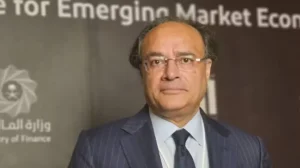
At the United Nations Digital Cooperation Day 2026, the finance minister highlighted Pakistan’s move toward a regulated virtual assets framework. He said tokenization should address practical economic needs, including lower remittance costs, SME financing, sovereign debt and broader access to financial services.
Aurangzeb said private sector innovation should be supported by government safeguards, inclusive digital infrastructure and international cooperation. He also called for emerging economies to have a role in developing global standards for digital assets and related technologies.
The finance minister also participated in the launch of the COP31 Action Agenda and expressed Pakistan’s support for its priorities, which he said align with the country’s national climate goals and NDC 3.0.
He highlighted clean energy and electrification, renewable energy, energy-efficient buildings, climate-resilient cities, climate education, food security and climate-resilient agriculture as key areas for action.
Aurangzeb said the proposed Climate Implementation Bridge could help turn climate commitments into projects that are ready for investment and financing. He said the focus now needs to shift from preparing plans to actually implementing them, while welcoming the agenda’s emphasis on clear actions, key performance indicators and measurable results.
The finance minister said Pakistan’s climate priorities require both stronger domestic preparedness and easier access to international financing as the country continues to face climate-related risks.
