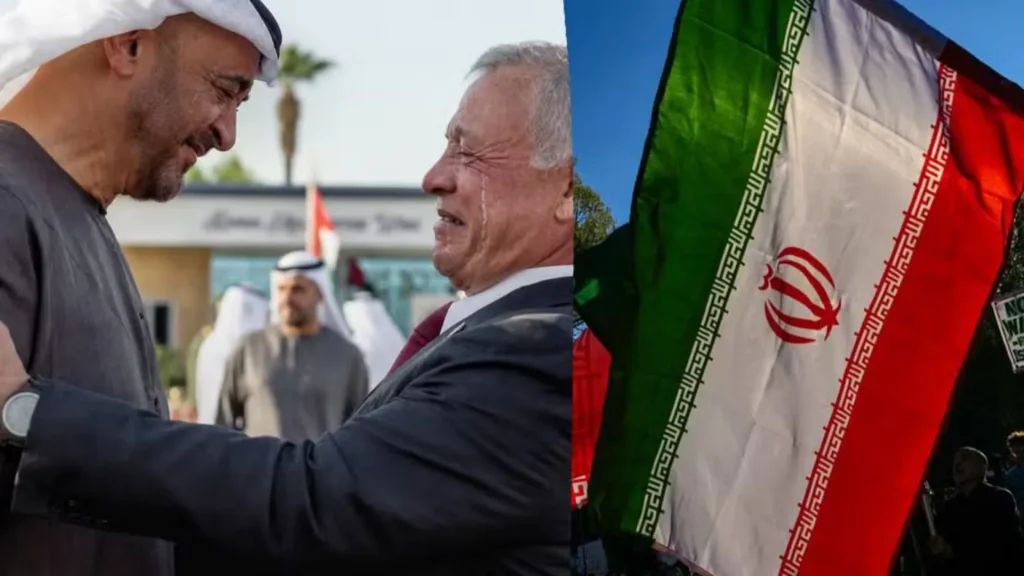
Jordan and the United Arab Emirates have faced criticism over restrictions on journalists and members of the public seeking to film or publish information about Iranian missile and drone strikes, raising concerns over independent reporting and verification of damage.
The restrictions have come amid renewed military exchanges involving Iran, the United States and countries hosting US military facilities in the region. Iranian forces launched ballistic missile attacks on US sites in Jordan following a US strike on Iranian military assets, according to Iranian and US-related reports.
Journalists Report Restrictions in Jordan
A BBC journalist has described what he called “severe media censorship” surrounding coverage of the attacks, particularly in Jordan and the UAE.
The journalist said a BBC crew had previously travelled through Jordan with official permission to film but had its equipment confiscated. He also said journalists were warned against using their phones while reporting, despite carrying authorization to film.
The account highlights the difficulties faced by journalists attempting to independently document the aftermath of military strikes.
Jordanian authorities have previously imposed restrictions on publishing information connected to defence operations, while press-freedom groups have raised concerns about the impact of such measures on independent reporting.
Reporters Without Borders (RSF) has documented increased restrictions on coverage of Iranian missile and drone attacks in Jordan and Gulf countries.
UAE Restricts Strike-Related Images and Videos
The UAE has also warned residents and journalists against photographing, publishing or circulating images and videos from locations affected by missile and drone incidents.
In March, UAE Attorney-General Dr Hamad Saif Al Shamsi warned that filming incident sites or sharing footage showing damage caused by projectiles or shrapnel could violate the law when such material contributes to public panic, spreads false information or harms public order.
RSF has separately reported that the UAE attorney-general banned the posting of images or information related to Iranian strikes. The organization said the restrictions have made it more difficult for journalists to independently verify reports about attacks and their consequences.
The UAE has defended its restrictions on security and public-order grounds, warning that unverified images and videos can create misleading impressions about developments during the conflict.
Press Freedom Concerns
Press-freedom organizations have warned that broad restrictions on reporting military attacks can make independent verification more difficult.
The Committee to Protect Journalists said in May that it had documented a wider crackdown on the press across Gulf countries following the start of the Iran war, including arrests, intimidation and legal or financial actions against journalists and media organizations.
RSF has similarly reported increased pressure on journalists covering the conflict, arguing that legitimate national-security concerns should not prevent the public from accessing independently verified information.
The issue has become particularly significant as governments and military authorities issue competing accounts of missile interceptions, impact locations and damage. Restrictions on access to affected sites can make it harder for journalists and independent observers to verify those claims.
The UAE government has maintained that security measures are necessary and has urged the public to rely on official and credible sources when sharing information about attacks.
