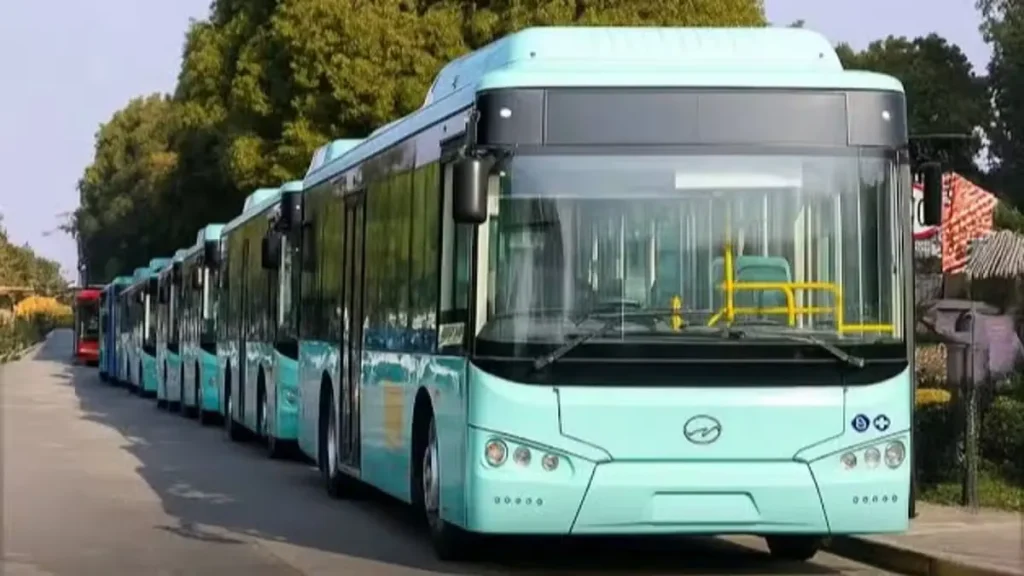
The federal government has proposed a sharp increase in funding for public transport services in the twin cities of Rawalpindi and Islamabad under the federal budget for fiscal year 2026-27, raising the combined subsidy for Metro Bus and Green Electric Bus projects to Rs. 7.3 billion.
According to budget documents, the proposed allocation marks a significant jump from the Rs. 3 billion subsidy provided in the previous fiscal year. The enhanced funding is intended to support the continued operation and planned expansion of both the Metro Bus Service and the Green Electric Bus network across the twin cities.
Officials said the increased subsidy would help ensure affordable and reliable public transport for daily commuters, while also supporting the government’s broader push toward sustainable and environmentally friendly mobility solutions.
The Metro Bus Service linking Rawalpindi and Islamabad has been operational since 2014 and remains one of the most heavily used mass transit systems in the region. Authorities say the service carries a large volume of passengers each day and plays a critical role in reducing traffic congestion between the two cities.
In addition to sustaining existing operations, the budget proposal includes plans to expand the green electric bus network to 20 additional sectors and routes. The expansion is expected to be carried out in phases during the upcoming fiscal year.
Public transport services are currently operating on 23 routes across Rawalpindi Division. Under the proposed plan, green electric buses will be introduced on 20 new routes, significantly increasing coverage and improving access to modern public transport in underserved areas.
Officials believe the expanded electric bus network will help lower fuel costs, reduce emissions, and improve service quality for passengers. The move is also aligned with national goals to modernise urban transport infrastructure and promote cleaner energy solutions.
If approved by parliament, the increased subsidy will represent one of the largest federal commitments to public transport in the twin cities, reinforcing the government’s focus on affordable, efficient and sustainable urban mobility.
