The National Economic Survey 2025-26 has revealed steady expansion across Pakistan’s livestock sector, highlighting increases in major animal populations alongside moderate growth in fisheries and related rural economic activity.
According to official survey data, the livestock sector recorded a growth rate of 3.8% during the fiscal year 2025-26, driven by increases in cattle, buffalo, goats, sheep, and other key categories that form the backbone of rural livelihoods and agricultural output.
The report provides a detailed breakdown of animal population trends across the country, reflecting both commercial farming expansion and traditional household-based livestock rearing systems.
Donkey, Horse, and Mule Population Trends
The survey shows that Pakistan’s donkey population reached 6.16 million, reflecting an annual increase of 1.9%. Donkeys continue to play a significant role in rural transport and small-scale logistics, particularly in agricultural and mountainous regions.
The number of mules also increased by 1.8%, reaching 221,000, while the horse population rose slightly by 0.8% to 386,000. These figures indicate modest but stable growth in working and transport livestock categories.
Major Livestock Categories Show Strong Expansion
Among large livestock categories, buffalo numbers crossed 49.1 million during FY2025-26, registering a 3% annual increase. Buffaloes remain a key source of milk production and rural income generation across Punjab and Sindh.
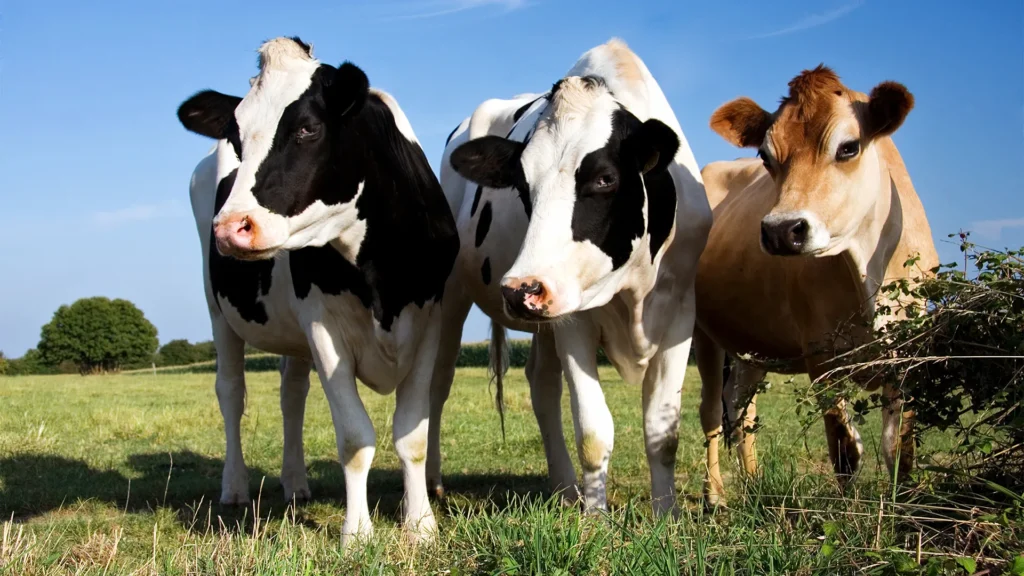
The cattle population also showed strong growth, reaching 61.96 million, an increase of 3.8% compared to the previous fiscal year. This category continues to support both dairy and meat supply chains in domestic markets.
Goat populations, which are widely distributed across rural and semi-urban households, rose to 91.8 million, marking a 2.7% increase. Sheep numbers also increased by 1.2%, reaching more than 33.5 million animals nationwide.
Camel populations, though smaller in scale, recorded growth of 1.4%, reaching approximately 1.193 million. Camels remain important in arid and desert regions, particularly in Balochistan and parts of Sindh.
Fisheries Sector Also Records Positive Growth
In addition to livestock, the fisheries sector posted a growth rate of 1.7% during the fiscal year, according to the Economic Survey. The sector continues to contribute to export earnings and domestic food supply, particularly in coastal regions of Sindh and Balochistan.
Broader Economic Context
The data highlights the continued importance of agriculture-linked sectors in Pakistan’s overall economic structure. Livestock remains a critical driver of rural employment, food security, and household income generation.
The steady growth across multiple animal categories suggests resilience in Pakistan’s rural economy, even amid broader macroeconomic pressures. However, analysts often point out that productivity improvements, disease control, and feed efficiency remain key areas for future policy focus.
The findings from the Economic Survey 2025-26 provide an important snapshot of structural trends shaping Pakistan’s agricultural economy, particularly as policymakers evaluate strategies for sustainable rural development and food security planning.
