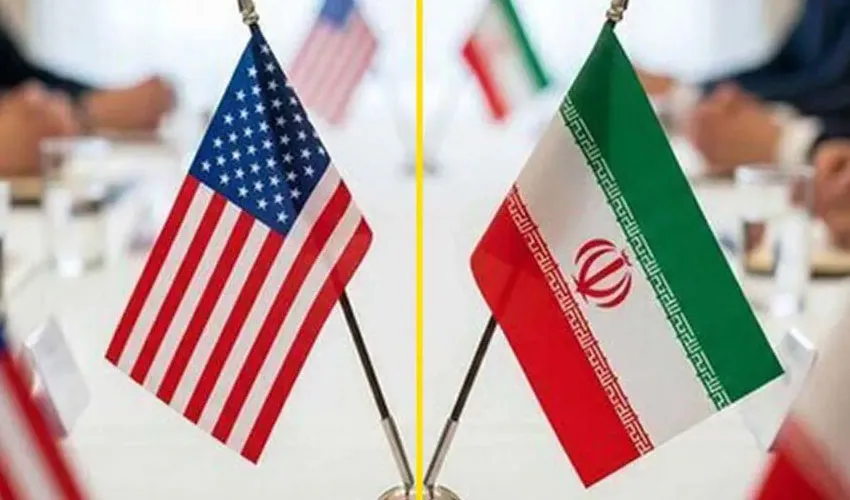
The New York Times has reported that Iran has agreed to forgo enriched uranium, a development that would mark a major shift in the most sensitive and long-standing dispute in nuclear negotiations with the United States.
According to details outlined in the report, the proposed Iran–US understanding extends beyond nuclear issues and covers key regional and economic flashpoints. Both sides have reportedly agreed to keep the Strait of Hormuz open, with no transit or shipping fees imposed.
A ceasefire would come into effect across all active fronts under the arrangement, easing immediate regional tensions and safeguarding global energy supply routes.
The draft framework also includes the restoration of $25 billion in Iranian frozen assets, a long-standing demand from Tehran, alongside provisions for the easing or suspension of US sanctions on Iranian oil exports.
However, Iranian officials have signaled caution. The Tasnim News Agency reported that Tehran has not formally accepted any binding step related to its nuclear programme. According to the report, negotiators are considering a 60-day window for nuclear talks, while matters concerning the Strait of Hormuz would be addressed within 30 days.
Also read: Iran Rejects US Demand to Hand Over Enriched Uranium, Calls Conditions ‘Unreasonable’
The proposed memorandum of understanding reportedly carries significant regional implications. Under its terms, Israel would be required to end military operations in Lebanon. In parallel, Washington would either lift or suspend key sanctions affecting Iran’s oil sector, offering Tehran critical economic relief.
Tasnim further noted that even if an agreement is finalized, conditions in the Strait of Hormuz would not fully revert to their pre-war status. The draft envisions the release of an initial tranche of Iran’s frozen funds, while the mechanism and timing for subsequent instalments would be finalized during follow-up negotiations.
The reported understanding also includes mutual security guarantees. The United States would commit to preventing any renewed military action against Iran, while Tehran would pledge not to target the US or its regional allies, signaling an attempt to establish a broader de-escalation framework after years of confrontation.
Also read: Did Iran relocate its enriched uranium before US airstrikes?
While no official confirmation has been issued by either government, the emerging details suggest that backchannel diplomacy has reached a critical stage, with potential consequences for nuclear non-proliferation, regional stability, and global energy markets.
About Tamoor Ahmed

Tamoor Ahmad has been covering politics since 2022.
