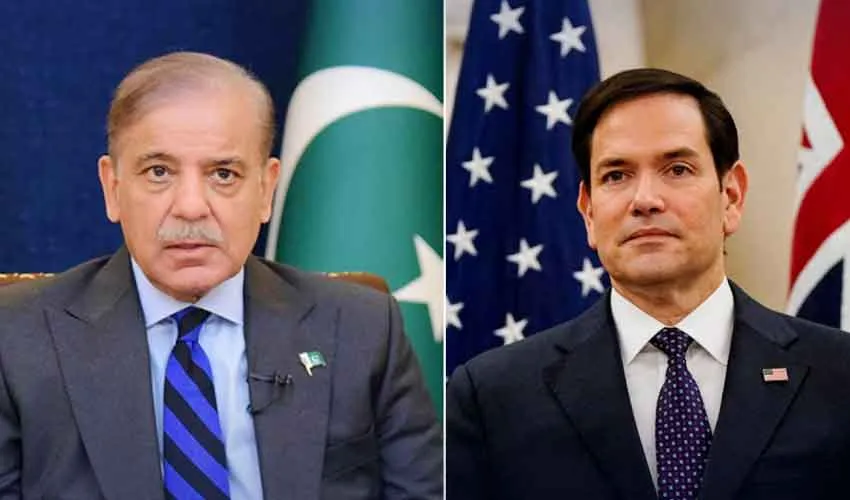
US Secretary of State Marco Rubio has stated that the proposed “Project Freedom” initiative in the Strait of Hormuz was halted following a request from Pakistan in what he described as an effort to allow diplomatic channels to take priority over escalation.
According to reports cited by international news agencies, Rubio said that Pakistan conveyed concerns that continuing the operation could undermine ongoing diplomatic efforts involving Iran and other regional stakeholders.
He indicated that the decision to pause the project was made to preserve space for negotiations and reduce the risk of further escalation in an already sensitive maritime corridor.
Rubio further noted that the United States administration, under Donald Trump, had shown preference for diplomacy during this phase, particularly as tensions in the region continued to affect energy routes and global shipping stability.
The Strait of Hormuz, a critical chokepoint for international oil transport, has remained central to security discussions involving multiple global powers.
The remarks come alongside renewed emphasis on Pakistan’s diplomatic positioning in regional affairs. Prime Minister Shehbaz Sharif has also highlighted what he described as growing international recognition of Pakistan as a responsible mediator in sensitive geopolitical negotiations.
Speaking in an interview with The Sunday Times, the prime minister said that Pakistan’s engagement with Iran, the United States, and Gulf countries reflected increasing trust in Islamabad’s role as a facilitator of dialogue. He described this development as a positive moment for Pakistan’s international standing.
Sharif also pointed to coordination between civilian leadership and security institutions as a key factor behind Pakistan’s diplomatic activity, arguing that unified policy direction had helped strengthen the country’s external image.
He added that Pakistan had continued its diplomatic engagement despite regional uncertainty, aiming to support stability across multiple theatres.
The prime minister further claimed that recent economic indicators showed improvement, including stabilisation efforts and a reduction in inflation levels over the past two years, which he linked to broader governance reforms and external economic management.
Together, the statements from Washington and Islamabad highlight Pakistan’s emerging role in regional diplomacy, particularly in situations where maritime security, energy routes, and Iran–United States relations intersect.
Analysts say the developments underscore how mid-tier powers are increasingly influencing negotiation pathways in high-stakes geopolitical conflicts.
About Tamoor Ahmed

Tamoor Ahmad has been covering politics since 2022.
