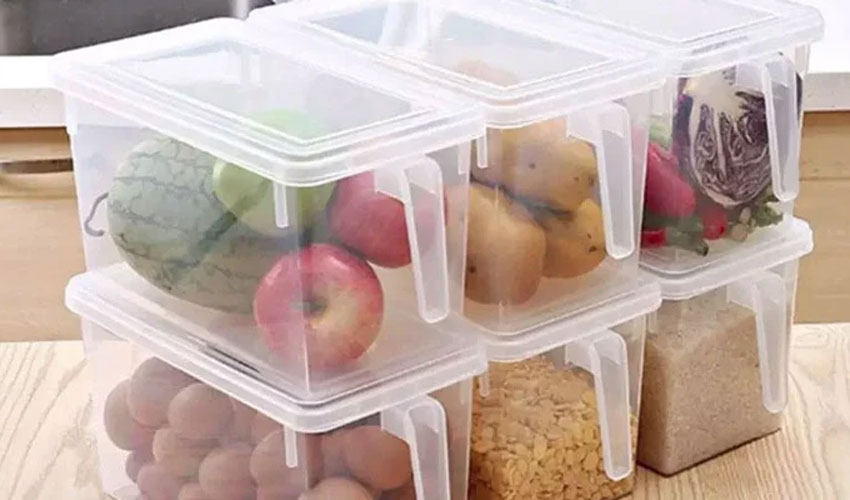
Health specialists are urging households to rethink how they store leftovers in freezers, warning that plastic food containers may release microplastics when exposed to extreme cold and repeated reheating.
According to food safety researchers, freezing does not make plastic inert. Instead, low temperatures can slowly degrade plastic materials, especially when containers are reused over long periods. This breakdown increases the risk of microscopic plastic particles leaching into stored food.
Experts associated with the Consumer Rights Institute say the issue becomes more serious when frozen food is later reheated in the same container. The combination of freezing, thawing, and heating accelerates material fatigue, making plastic more likely to shed particles into food.
Why microplastics in food are a growing concern
Microplastics are tiny fragments that form when plastic items deteriorate. While they have long been recognized as an environmental pollutant, scientists are now uncovering evidence of human exposure through food and water.
Studies cited by health experts have detected microplastics in human blood, lung tissue, placentas, and even breast milk. Researchers are particularly concerned about nanoplastics, which are even smaller and may bypass the body’s natural defenses.
Some scientists believe these particles could interact with the brain’s immune system, potentially increasing long-term risks for inflammatory or neurological conditions. While research is still ongoing, experts agree that reducing everyday exposure is a sensible precaution.
Why glass and steel are considered safer for freezing
The Consumer Rights Institute recommends glass and stainless steel containers as safer alternatives for freezer storage. These materials remain stable at very low temperatures and do not degrade in the same way plastic does.
Unlike plastic, glass and steel do not release particles when exposed to freezing or reheating. This makes them more reliable for long-term food storage, especially for items that are frozen and reheated frequently.
Health experts emphasize that avoiding plastic in food storage is not about panic but prevention. Small changes, such as switching freezer containers, can significantly reduce unnecessary exposure to microplastics over time.
As awareness around microplastic contamination grows, food safety specialists advise consumers to prioritize durable, non-reactive materials when storing meals, particularly for families with children, pregnant women, and individuals with compromised health.
About Tamoor Ahmed

Tamoor Ahmad has been covering politics since 2022.
