Petrol prices in Pakistan have climbed to levels that many households now find unsustainable, with per-litre rates approaching Rs400 in several regions.
As daily commuting becomes more expensive, interest is growing in electric two-wheelers as a practical alternative for urban and semi-urban riders.
Despite this shift in mindset, widespread adoption of electric bikes has remained slow.
The main obstacle has been affordability, as most entry-level electric scooters in Pakistan are priced between Rs150,000 and Rs200,000, placing them beyond the reach of many salaried workers and students when paid upfront.
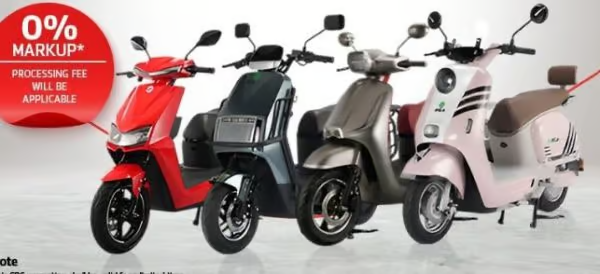
To address this gap, structured installment plans are increasingly being used to make electric mobility more accessible. One such option is being offered by OKLA, allowing buyers to purchase electric bikes with 0% markup for up to six months, along with extended payment plans of up to 36 months.
Under these plans, monthly instalments can start from approximately Rs7,500, depending on the model, tenure, and processing charges. While longer-term plans may include service or processing fees, the short-term zero-markup option significantly reduces the financial burden for first-time EV buyers.
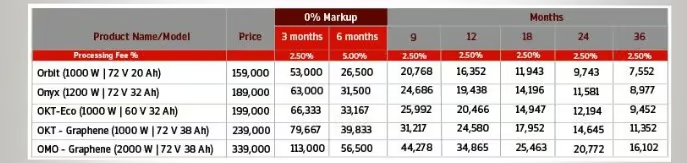
The available lineup includes a range of models designed for different commuting needs. Entry-level options such as the Orbit (1000W) focus on affordability and daily city use, while mid-range models like Onyx (1200W) offer improved power and range.
Higher-end options, including the OKT Eco and Graphene series and the OMO Graphene (2000W), cater to riders seeking stronger performance and extended battery life.
Industry observers note that instalment-based financing could play a key role in accelerating the adoption of electric bikes across Pakistan, especially as fuel costs continue to strain household budgets.
Compared to petrol motorcycles, electric bikes offer significantly lower running costs, reduced maintenance, and insulation from fuel price volatility.
Beyond personal savings, the move toward electric two-wheelers also supports broader environmental goals by cutting emissions and reducing reliance on imported fuel.
As infrastructure and financing options improve, electric bikes are increasingly being viewed not as a luxury but as a cost-effective necessity for daily transport.
With petrol prices showing no immediate signs of easing, instalment-based EV bike programs are emerging as a practical bridge between rising fuel costs and affordable mobility.
