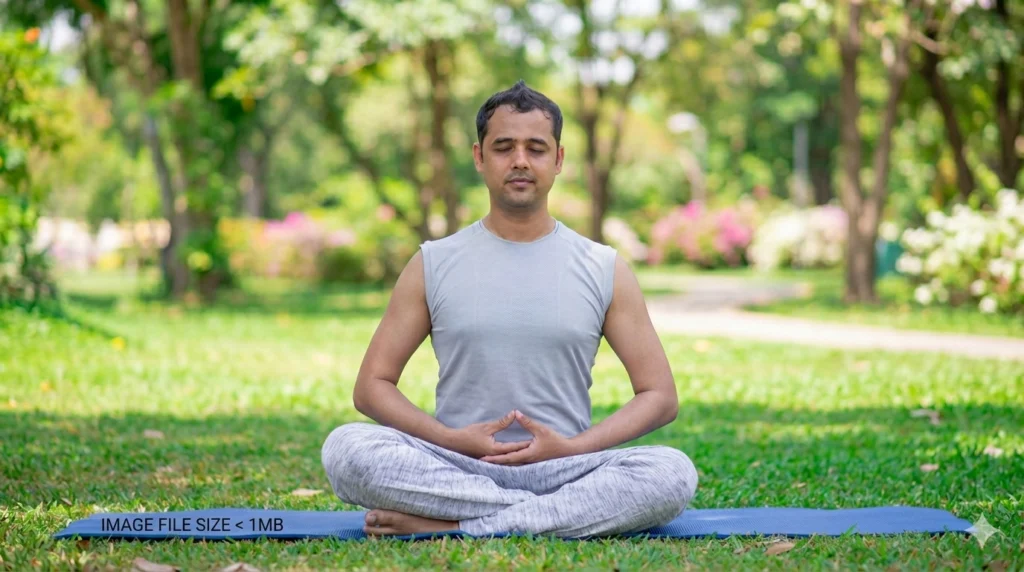
Deep breathing is emerging as one of the simplest yet most effective techniques for improving both mental and physical well-being, offering wide-ranging benefits that extend from stress relief to stronger immunity and better digestion.
Health experts, cited in a report by Onlymyhealth, say deep breathing plays a key role in calming the nervous system. When a person feels stressed or overwhelmed, slow and controlled breathing activates the parasympathetic nervous system, helping the body shift out of its “fight or flight” mode. This response can lower blood pressure, slow the heart rate, and create an overall sense of calm.
Beyond stress reduction, deep breathing has a positive impact on mental health. By regulating breathing patterns, individuals can quiet racing thoughts, improve focus, and manage anxiety more effectively—making the practice particularly helpful during demanding work schedules or emotionally challenging periods.
Experts also link deep breathing to improved immune function. Research suggests that mindful breathing may help increase white blood cell activity, which is essential for protecting the body against infections and illness.
Respiratory health stands to benefit as well. Deep breathing encourages the use of the diaphragm, allowing the lungs to expand more fully and absorb greater amounts of oxygen. This can be especially beneficial for people living with respiratory conditions such as asthma or chronic obstructive pulmonary disease (COPD).
Sleep quality may also improve through regular breathing exercises. Individuals who struggle with falling asleep or experience disrupted sleep often find that deep breathing before bedtime helps relax the body and regulate breathing rhythms, making rest more restorative.
Digestive health is another area influenced by breathing patterns. Stress can interfere with digestion by slowing gut activity, but deep breathing counteracts this effect by promoting relaxation and supporting normal digestive processes.
Practising deep breathing is simple and requires no special equipment. Experts recommend sitting or lying in a comfortable position with relaxed shoulders and a straight spine. With eyes closed, inhale slowly through the nose, allowing the lungs to fill completely. Hold the breath briefly, then exhale gently through the mouth. Repeating this cycle for several minutes can help restore balance to both body and mind.
