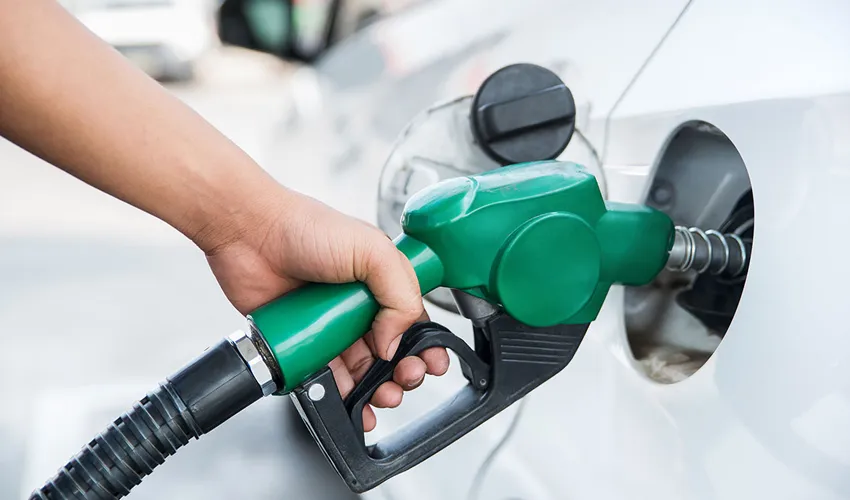
ISLAMABAD: In a sudden policy shift, the Shehbaz Sharif-led government on Friday increased the prices of petrol and high-speed diesel by Rs26.77 per litre with immediate effect for the week ending May 1, citing rising global oil prices and fiscal requirements under International Monetary Fund (IMF) commitments.
The decision comes at a critical time as Pakistan prepares for the expected IMF Executive Board approval in early May for the release of more than $1.2 billion under ongoing financial assistance programmes.
Fuel Price Revision Details
According to the latest notification issued by the petroleum division, the ex-depot price of high-speed diesel (HSD) has been set at Rs380.19 per litre, up from Rs353.42, reflecting an increase of 7.6%.
Meanwhile, petrol prices have been revised to Rs393.35 per litre from Rs366.58, marking a similar increase of Rs26.77 or 7.3%.
Tax Adjustments and Revenue Strategy
Officials confirmed that the government has simultaneously adjusted the petroleum levy structure in an effort to meet fiscal targets.
The petroleum levy on petrol has been increased significantly to Rs107.38 per litre, while the levy on diesel remains comparatively lower at the retail level.
Overall, consumers are now paying approximately Rs135 per litre in taxes on petrol and around Rs65 per litre on diesel, including customs duties and other charges.
Also read: Pakistan, IMF Agree on New Auto Policy With Gradual Tariff Cuts
Inflationary Pressure on Transport Sector
High-speed diesel, widely used in freight transport and agriculture, remains the most inflation-sensitive fuel in the country. Analysts warn that the latest increase is likely to have a ripple effect on transportation costs, potentially driving up inflation in essential goods and commodities.
Global Oil Market Impact and Timing
Officials attributed the price hike to rising international crude oil prices amid heightened geopolitical tensions in global energy markets. The revision follows a volatile period in which fuel prices had previously seen temporary relief after adjustments in petroleum levies.
Interestingly, the announcement came on a day when diplomatic discussions involving Iran and the United States were reported to be taking place in the region, highlighting the sensitivity of energy pricing to global political developments.
Government Justification
Petroleum Minister Ali Pervez Malik stated that the government had attempted to shield consumers from global price shocks for as long as possible, but limited fiscal space and international obligations required the adjustment.
He added that earlier relief measures had already provided “historic support” to consumers, but rising global energy costs had made continued subsidies unsustainable.
Also read: IMF Warns Middle East War Could Hit Pakistan’s Economy, Raise Oil and Inflation Risks
Market Context and Price Trend
Fuel prices in Pakistan have seen significant volatility in recent months. Since late February, petrol and diesel rates have surged from Rs266 and Rs281 per litre respectively, driven largely by geopolitical tensions affecting global crude oil markets.
Diesel remains a key revenue-generating fuel for the government, with monthly consumption estimated at 700,000 to 800,000 tonnes, compared to only about 10,000 tonnes of kerosene.
Economic Outlook
Economists warn that continued reliance on petroleum levies as a revenue source may keep inflationary pressure high in the coming months, particularly affecting transport, food supply chains, and industrial logistics.
