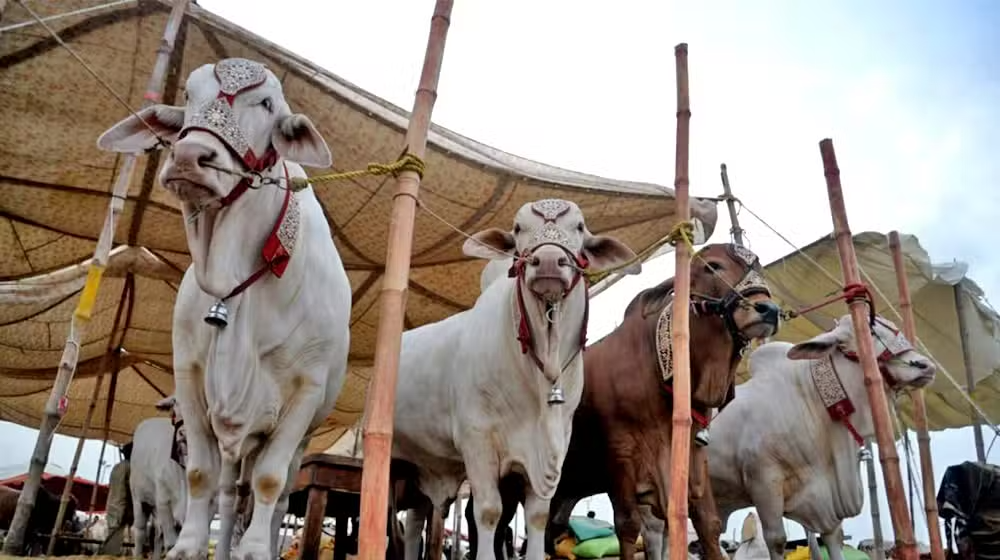
A new feasibility study suggests that cattle markets across Punjab could be transformed into a significant source of climate finance by converting animal waste into renewable energy, organic fertiliser, and internationally tradable carbon credits.
The study, conducted by the Punjab Cattle Market Management and Development Company, highlights how unmanaged livestock waste—currently an environmental liability—can be repurposed into a steady public-sector revenue stream while reducing greenhouse gas emissions.
Large-Scale Livestock Activity, Untapped Potential
Punjab’s major cattle markets, including those in Multan, Chichawatni, Arifwala, Sheikhupura, Lahore, and Jhang, collectively handle more than 80,000 animals every week.
This activity generates an estimated 87,000 kilograms of manure per day. At present, most of this waste is left untreated, releasing methane—a greenhouse gas far more potent than carbon dioxide—into the atmosphere.
Turning Methane Into Revenue
The feasibility study proposes installing biogas facilities based on anaerobic digestion technology at selected cattle markets. These systems would capture methane emissions and convert them into usable biogas for energy, while producing nutrient-rich organic fertiliser as a byproduct.
Crucially, the captured emissions could be certified as carbon credits, which are tradable in international carbon markets, creating a new climate-linked income stream for Punjab.
Commercially Viable Markets Identified
According to the study’s initial findings, four markets—Multan, Chichawatni, Sheikhupura, and Arifwala—have been identified as commercially viable for early implementation. Among them, Multan and Chichawatni have been prioritised due to higher livestock volumes and logistical feasibility.
These priority sites alone are projected to generate thousands of carbon credits annually, alongside steady production of biogas and organic fertiliser.
Long-Term Climate and Economic Gains
Over a five-year period, the project could yield around 2 million carbon credits, potentially earning millions of dollars in foreign exchange if sold on international markets. Beyond direct revenue, officials say the initiative could deliver wider benefits, including improved waste management, reduced pollution, cleaner energy alternatives, and enhanced agricultural productivity.
The project is also expected to create new private-sector opportunities in renewable energy, waste processing, and carbon trading, aligning with Pakistan’s broader climate and sustainability goals.
A Model for Green Growth
Experts say the initiative could serve as a scalable model for climate-smart agriculture across Pakistan. By monetising emissions reductions and integrating renewable energy into livestock markets, Punjab could position itself as a leader in green economic innovation.
The study shows how climate mitigation, energy security, and economic development can converge—turning a longstanding environmental challenge into a long-term financial and sustainability opportunity.
