The prolonged conflict in the Middle East is now translating into measurable economic pressure for Pakistan, with export data revealing a sustained slowdown across several core industries.
Official figures show that Pakistan’s exports declined by 8% during the first nine months of the ongoing fiscal year, slipping to $22.74 billion.
The downturn accelerated sharply in March 2026, when export earnings fell 14% year-on-year—an indication that geopolitical instability is increasingly disrupting trade flows and overseas demand.
Economists say the trend reflects a combination of logistical disruption, weaker global consumption, and higher costs linked to energy and shipping volatility.
Food and Agriculture Bear the Brunt
Among all sectors, food and agricultural exports have absorbed the heaviest impact.
Between July and March, food exports dropped by 34% to $3.80 billion, highlighting a sustained erosion in Pakistan’s traditional export strengths. March proved particularly damaging, with food shipments contracting by nearly 30% compared to the same period last year.
Breakdowns within agriculture reveal the scale of disruption:
- Fruit exports recorded a steep decline of over 44%
- Rice exports fell by more than 26%, reflecting soft demand and logistical bottlenecks
- Vegetable exports collapsed by nearly 80%, underscoring supply chain stress
Trade analysts note that perishables are especially vulnerable to shipping delays and regional instability, amplifying losses in agricultural trade.
Textiles Show Resilience Despite Pressure
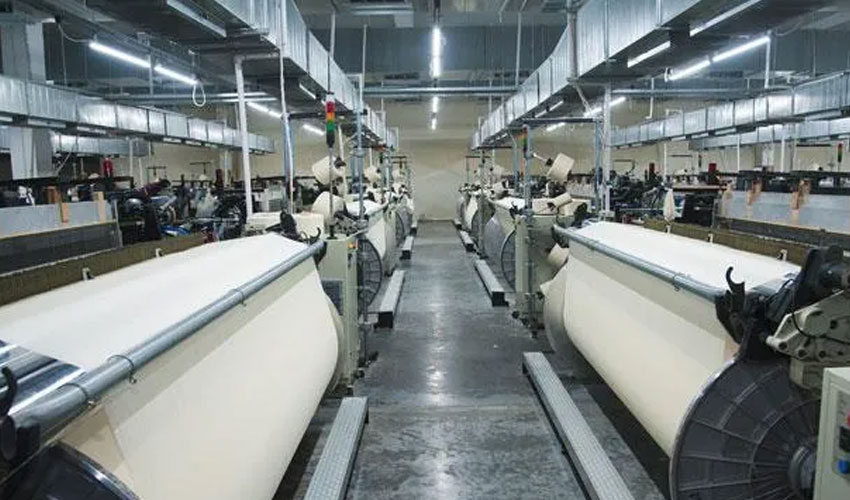
Pakistan’s textile industry—the backbone of its export economy—has not been immune, but it has shown relative stability compared to other sectors.
Textile exports slipped just over 7% in March, with shipments valued at around $1.32 billion. Over the nine-month period, the decline remained marginal at roughly 0.5%, keeping total exports near $13.54 billion.
Industry observers attribute this resilience to long-term buyer relationships and diversified markets, although they warn that prolonged global uncertainty could still weigh on future orders.
Energy-Linked and Industrial Exports Slide Sharply
The impact of regional turmoil has been most visible in energy-related and industrial categories.
Petroleum exports plunged by more than 63% in March, reflecting both supply disruptions and price volatility. Plastic goods exports also fell sharply, declining nearly 37%, while the jewellery and ornaments sector recorded minimal export activity amid collapsing imports and weak international demand.
These declines point to reduced manufacturing activity and cautious overseas buyers amid uncertain market conditions.
Broader Trade Risks Emerging
Trade experts say the export contraction illustrates how external shocks are filtering through Pakistan’s economy. Disrupted shipping routes, elevated freight costs, and risk-averse buyers are collectively undermining export momentum at a time when foreign exchange inflows remain critical.
With multiple sectors declining simultaneously, the slowdown signals structural vulnerability rather than a temporary fluctuation.
Pressure Likely to Persist
If instability in the Middle East continues, analysts warn that Pakistan’s export performance may remain under strain in the coming quarters. Recovery will likely depend on stabilised global supply chains, improved regional security, and renewed demand from key markets.
For now, the data suggests that geopolitical tensions far beyond Pakistan’s borders are increasingly shaping its economic trajectory—reinforcing the need for export diversification and stronger trade resilience.
