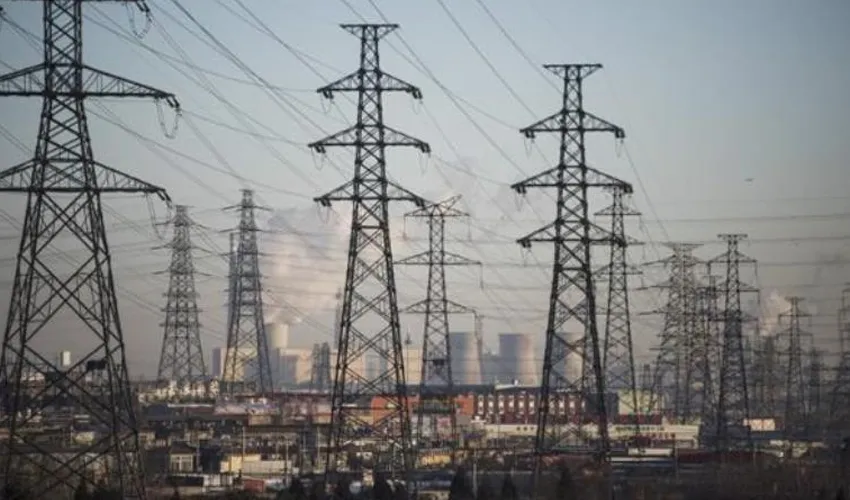
Pakistan is once again facing a deepening energy crisis in 2026, as authorities confirm the return of nationwide load shedding in Pakistan amid rising electricity demand, falling generation capacity, and worsening fuel constraints.
The Power Division has issued a revised load shedding schedule in Pakistan, warning that electricity outages exceeding two hours during peak hours will continue as the national grid struggles to balance supply and demand.
Officials report a sharp surge in electricity demand in Pakistan 2026, combined with a significant drop in hydropower generation in Pakistan, placing severe pressure on the already strained power infrastructure.
Fuel Shortages and Power Generation Decline
The situation has worsened due to the shutdown of several LNG-based power plants in Pakistan, which has temporarily removed nearly 15% of electricity supply from the national grid.
Authorities say the decision was influenced by rising global fuel costs and the need to avoid expensive alternatives such as furnace oil and diesel-based electricity generation in Pakistan, which could further increase electricity tariffs in Pakistan 2026.
Instead, the government has opted for controlled load management and scheduled power cuts in Pakistan to reduce financial pressure on the system.
Nationwide Load Shedding Expands
Electricity distribution companies have begun implementing load shedding across Pakistan, citing reduced power availability and disruptions in planned distribution cycles.
In Islamabad, the Islamabad Electric Supply Company (IESCO) has introduced a detailed electricity load management plan, with some areas experiencing up to eight hours of power outages.
Officials attribute the situation to reduced supply from the national grid and ongoing pressures linked to global energy market instability.
Lahore and Karachi Face Severe Power Cuts
In Lahore, under the Lahore Electric Supply Company (LESCO), residents are reporting frequent unannounced load shedding in Lahore 2026, with three to four hours of unscheduled outages, especially during peak evening demand.
Meanwhile, Karachi is experiencing some of the worst conditions under the Karachi electricity crisis 2026, where areas such as Burns Road face up to 10 hours of scheduled load shedding along with additional unplanned outages.
The combination of extreme heat and rising demand has intensified power shortages in Karachi, severely affecting households, businesses, and essential services.
Solar Energy Offers Partial Relief
Despite widespread outages, solar energy adoption in Pakistan by 2026 is helping reduce daytime pressure on the national grid.
Many households and businesses are relying on solar systems to offset electricity load shedding during daytime hours, although evening peak demand continues to exceed available supply.
Structural Energy Challenges Persist
Energy experts say Pakistan’s ongoing crisis is driven by multiple structural issues, including:
- declining hydropower output
- dependency on imported fuel for electricity generation
- rising electricity consumption patterns
- weak energy planning and grid imbalance
- global petroleum price volatility
These combined factors are intensifying the Pakistan power crisis 2026, making it difficult to stabilize long-term supply.
Outlook
While temporary measures such as load management and solar energy adoption provide partial relief, Pakistan continues to face a widening gap between electricity demand and supply.
Without significant investment in renewable energy, grid modernization, and fuel diversification, the electricity crisis in Pakistan is expected to remain a persistent challenge throughout 2026.
