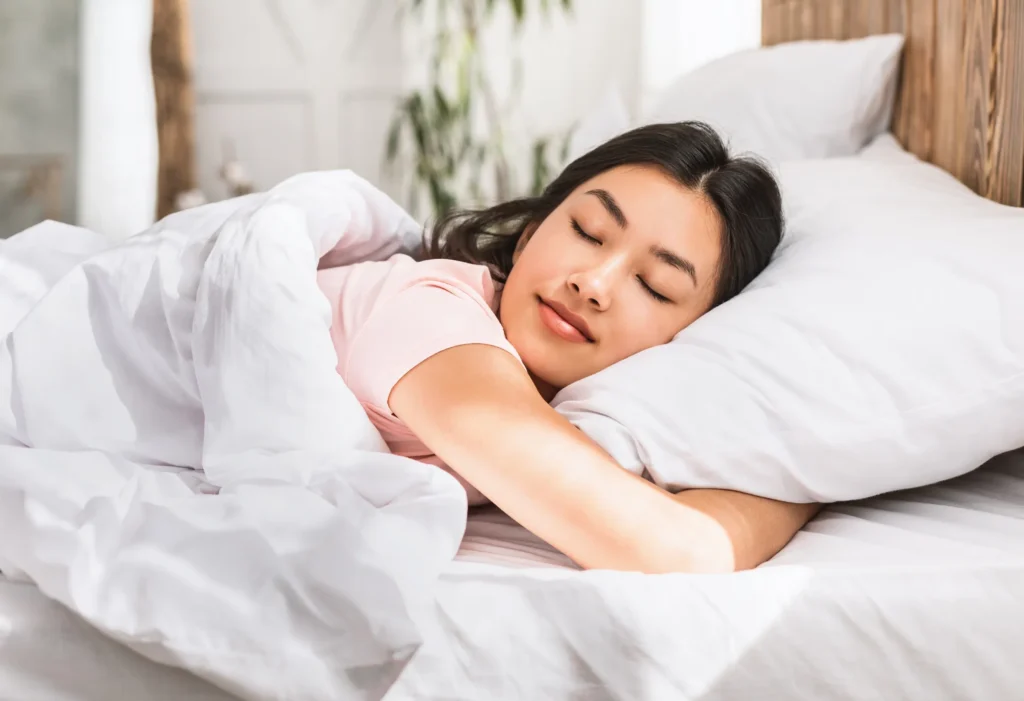
In an era dominated by smartphones, indoor lighting, and constant screen exposure, sleep problems caused by artificial light have become increasingly common. Researchers now suggest that a simple return to nature—such as camping—may offer a powerful way to restore healthier sleep patterns.
Studies show that camping improves sleep quality by helping the body reconnect with natural light cycles. Unlike urban environments filled with artificial lighting, outdoor settings allow the brain to adjust more closely to sunrise and sunset rhythms.
Natural light helps reset the body clock
Experts explain that modern lifestyles often disrupt the body’s internal timing system, known as the circadian rhythm reset mechanism. Late-night screen use and artificial lighting delay sleep signals, making it harder to fall asleep naturally.
However, research indicates that spending just a few days outdoors can significantly improve natural light and sleep cycle alignment. In some cases, participants experienced a shift in their body clock by nearly two hours, leading them to feel sleepy earlier and wake up more naturally.
Impact of artificial light on sleep health
Scientists warn that excessive exposure to screens and indoor lighting affects more than just sleep. The effects of artificial light on sleep include reduced melatonin production, irregular sleep cycles, and ongoing fatigue even after rest.
Long-term disruption of sleep patterns has been linked to serious health concerns, including stress, obesity, depression, and cardiovascular issues. In contrast, individuals with stable sleep schedules tend to show better overall physical and mental health.
Why sleeping in nature improves rest
Camping environments offer conditions that naturally support better sleep in nature. The absence of digital distractions, combined with calming sounds like wind, rain, and birds, helps the mind relax more deeply.
These natural cues encourage slower brain activity, allowing for more restorative sleep compared to urban environments.
Seasonal patterns and sleep quality
Researchers also note that melatonin and seasonal sleep changes play a role in how humans rest. During colder months, people often sleep longer, reflecting the body’s natural response to reduced daylight.
This reinforces the idea that humans remain biologically connected to environmental cycles, even in modern settings.
Health benefits beyond sleep
Overexposure to artificial light can also influence hormone regulation, blood pressure, and mental wellbeing. Experts suggest that reducing nighttime screen use and improving exposure to daylight can support overall health.
The sleep health and mental wellbeing connection is becoming increasingly important as digital lifestyles expand globally.
Simple ways to improve sleep naturally
Experts recommend a few practical changes for those unable to go camping:
- Reduce screen time before bedtime
- Use dim or warm lighting in the evening
- Follow a consistent sleep schedule aligned with daylight
- Spend time outdoors whenever possible
Even small adjustments can help improve body clock and sunlight exposure, leading to better rest and improved energy levels.
