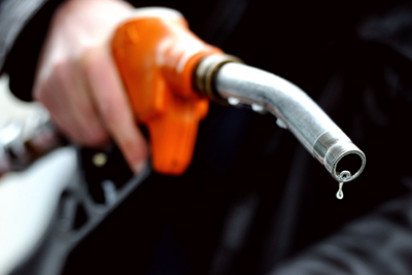
Pakistanis may soon face a sharp surge in fuel prices as the federal government signals a decisive shift toward market-based pricing under its commitments to the International Monetary Fund.
According to government sources, Islamabad has assured the IMF that domestic petroleum prices will be fully aligned with international oil market trends. As a result, fuel prices could rise by more than Rs100 per litre from next week, potentially marking one of the steepest increases in recent years.
IMF commitments drive price realignment
Officials familiar with the discussions say the move is part of broader fiscal reforms agreed with the IMF, aimed at reducing subsidies and stabilising Pakistan’s finances. Last week, however, consumers were granted temporary relief after the prime minister rejected proposals to raise petrol prices by Rs95 per litre and diesel prices by as much as Rs203 per litre.
To avoid passing on higher global oil costs at the time, the government diverted funds from the Public Sector Development Programme. Of the Rs100 billion withdrawn from development allocations, around Rs56 billion was used to subsidise oil marketing companies, sources said.
Officials caution that continuing this approach would further squeeze development spending. While additional support from the PSDP could soften the next hike, it would deepen pressure on already strained public finances.
Decision to be finalised with provinces
Sources in the Petroleum Ministry say the final decision on fuel prices will be taken in consultation with the provinces. While talks are ongoing, officials acknowledge that a substantial increase now appears inevitable given external pressures and fiscal constraints.
Global oil prices remain elevated
International oil prices continue to weigh heavily on domestic policy decisions. Over the past week, crude prices have hovered between $106 and $108 per barrel and remain within that range, limiting the government’s room to manoeuvre without further subsidies.
Fuel consumption rises despite austerity
Despite the government’s austerity drive, fuel demand in Pakistan has continued to rise sharply. Industry data shows petroleum sales jumped 13 percent in March alone.
Oil marketing companies reported total sales of 1.44 million tons during the month, reflecting a 19 percent year-on-year increase. Over the first nine months of the fiscal year, cumulative sales reached 12.40 million tons, with overall OMC volumes up 5 percent annually.
Petrol and diesel demand surge
Demand growth was particularly strong for transport fuels. Petrol sales climbed to 0.67 million tons, up 16 percent year-on-year, while diesel sales hit 0.62 million tons, registering a record 21 percent increase. Furnace oil demand also surged, posting a sharp 98 percent month-on-month rise.
Among major players, Pakistan State Oil recorded sales of 0.63 million tons in March, while Attock Petroleum sold around 0.11 million tons.
Consumers brace for impact
With global oil prices staying high and subsidies increasingly unsustainable, analysts warn that consumers should prepare for a significant jump in fuel costs. Unless the government opts for further budgetary support, the anticipated increase of more than Rs100 per litre could soon become a reality, adding fresh pressure to inflation-hit households and businesses.
