The federal government is actively considering a sweeping set of austerity measures designed to save Rs154 billion through energy conservation, a smart lockdown strategy, and restricted commercial activities, according to well-placed sources familiar with the discussions.
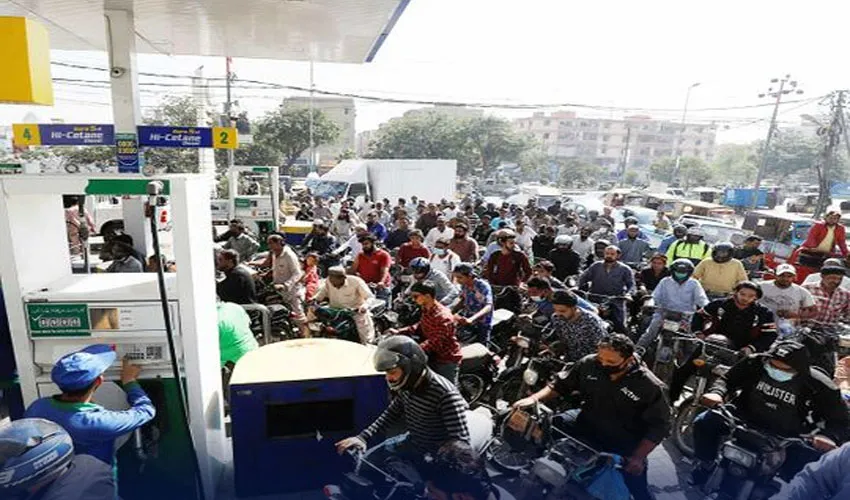
The proposed package aims to curb rising expenditures while providing targeted relief to the transportation sector, particularly motorcycle and rickshaw users who have been hit hard by escalating fuel prices.
Targeted Petrol Subsidy for Motorcycle and Rickshaw Operators
According to sources, a specific subsidy on petrol will be provided exclusively to motorcycle and rickshaw users under the proposed plan. Initial proposals suggest providing 20 to 30 litres of petrol per month to eligible operators, a move that would offer direct financial relief to millions of low-income commuters and small-scale transport workers across the country.
To ensure the subsidy reaches only intended beneficiaries and prevents leakage or misuse, the government plans to introduce a QR code-based system. Under the proposed mechanism, subsidised petrol will be distributed to motorcyclists through a mobile application, allowing for digital verification and real-time tracking of fuel disbursement.
Energy Conservation and Smart Lockdown Among Key Measures
Beyond the fuel subsidy, the broader austerity drive includes aggressive energy conservation initiatives aimed at reducing national power consumption. Sources indicate that restricted commercial activities and a calibrated smart lockdown strategy are also under consideration, though details on the geographic scope and duration of these restrictions remain unclear.
The austerity measures are expected to significantly reduce government expenditures, with the Rs154 billion savings target representing a substantial fiscal adjustment. Officials believe that combining targeted subsidies with consumption cuts could help stabilize the country’s financial position without imposing blanket hardship on the population.
Final Approval Awaiting High Level Consultations
The final decision on the subsidy and the broader austerity package will be made after high-level consultations involving the country’s top leadership. Sources confirmed that the consultations are likely to include the President, the Prime Minister, and all four provincial chief ministers, reflecting the political sensitivity and cross-provincial implications of the proposed measures.
The involvement of provincial governments is particularly significant given that energy conservation and commercial activity restrictions would require coordination between federal and provincial authorities. Any smart lockdown strategy would also need provincial buy-in to ensure effective implementation.
Economic Pressures Driving Austerity Push
Pakistan has been grappling with mounting economic challenges, including high inflation, energy costs, and fiscal deficits. The proposed Rs154 billion savings target suggests that the government is moving toward a more aggressive consolidation phase, balancing relief for vulnerable transport workers with broader expenditure cuts.
Observers note that the QR code-based mobile application for fuel subsidies represents a technological leap forward in targeting assistance, potentially setting a precedent for future social protection programs. However, questions remain about digital literacy, smartphone access, and the feasibility of implementing such a system across rural and remote areas.
The coming days will reveal whether the high-level consultations produce a consensus on the austerity package and how quickly the proposed measures can be rolled out.
