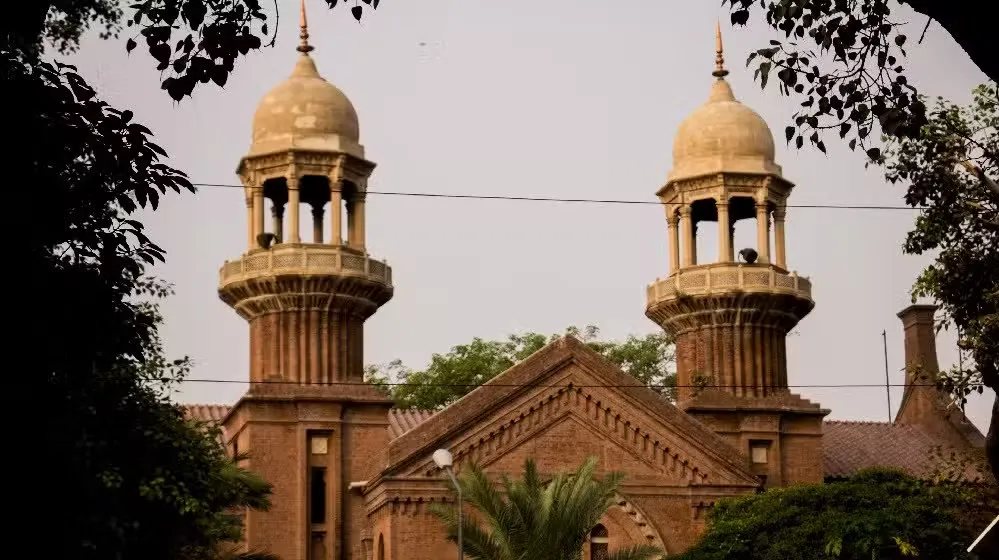
The Lahore High Court has ruled that a husband is legally bound to pay dower, known as Haq Mehr, whenever his wife demands it if the marriage contract does not specify a payment schedule.
The ruling was delivered by Justice Abid Hussain Chattha in a six-page judgement while hearing a petition filed by Fatima Bibi, who sought recovery of maintenance, dowry and dower valued at five tolas of gold.
Setting aside a lower appellate court’s decision, the high court said the denial of dower was legally incorrect and restored the petitioner’s right to receive the agreed Mehr.
The court held that in the absence of a clearly stated timeframe in the Nikahnama, dower is considered payable on demand.
The dispute dates back to a family court order directing the husband to pay Rs. 5,000 per month in maintenance and to settle the dower claim, while rejecting the demand for dowry. Both parties later challenged the ruling.
An appellate court upheld the maintenance order and partially accepted the dowry claim by directing payment of certain items or Rs. 250,000, but dismissed the dower claim.
The petitioner then approached the Lahore High Court, arguing that her statutory and contractual right to Mehr had been wrongly denied.
Upholding the findings on maintenance and dowry, the Lahore High Court ruled that the rejection of the dower claim could not be sustained in law. The court reinstated the family court’s order on Haq Mehr and partially allowed the petition.
Legal experts say the ruling provides clarity on dower obligations and is likely to guide family courts across Pakistan, reinforcing women’s financial rights within marriage.
