Pakistan has politely conveyed to China that it will continue with its existing policy of non-engagement with the Taliban government, citing Kabul’s failure to address Islamabad’s concerns over the presence of the outlawed Tehreek-e-Taliban Pakistan (TTP) and other militant groups operating from Afghan soil.
The response effectively signals that Islamabad has declined Beijing’s latest diplomatic effort aimed at easing tensions between Pakistan and Afghanistan, despite China being a close strategic ally of Pakistan.
In recent weeks, China stepped up its diplomatic engagement by dispatching its special envoy on Afghanistan to both Kabul and Islamabad as part of broader efforts to calm escalating tensions between the two neighbours.
According to a statement issued by China’s Foreign Ministry, Chinese Foreign Minister Wang Yi also held a telephone conversation with Afghanistan’s acting Foreign Minister Mawlawi Amir Khan Muttaqi to discuss the situation.
China’s Foreign Ministry said its envoy has been shuttling between Pakistan and Afghanistan to mediate. “China hopes both sides will remain calm and exercise restraint, hold face-to-face talks as soon as possible, achieve a ceasefire at an early date, and resolve disputes and differences through dialogue,” the statement said.
Beijing also reiterated its willingness to continue making active efforts to facilitate reconciliation between the two countries.
However, sources familiar with the matter told The Asian Mirror that while Pakistan appreciated China’s sincere diplomatic efforts, it made clear that a return to normal engagement with Kabul was not possible without tangible changes on the ground.
According to the sources, Pakistani authorities informed the Chinese side that Islamabad had already exhausted all diplomatic avenues before adopting its current stance toward the Taliban-led government. Pakistan, they said, had raised its security concerns through bilateral channels as well as via friendly countries in repeated attempts to resolve what it describes as the long-standing issue of militant sanctuaries inside Afghanistan.
Officials involved in discussions said meetings between the Chinese envoy and Pakistani leadership reinforced Islamabad’s view that the Taliban authorities had not shifted their position.
Taliban officials reportedly reiterated to the Chinese envoy that the TTP issue was Pakistan’s “internal problem”, while maintaining that Afghan territory was not being used for attacks against neighbouring states.
Pakistani officials firmly rejected that claim, citing what they described as substantial evidence, including reports by the United Nations Security Council, which Islamabad says corroborate the presence and activities of TTP militants inside Afghanistan.
Given these circumstances, Pakistan conveyed to Beijing that there was little scope for meaningful diplomatic progress unless Kabul took concrete and verifiable steps to address Islamabad’s security concerns.
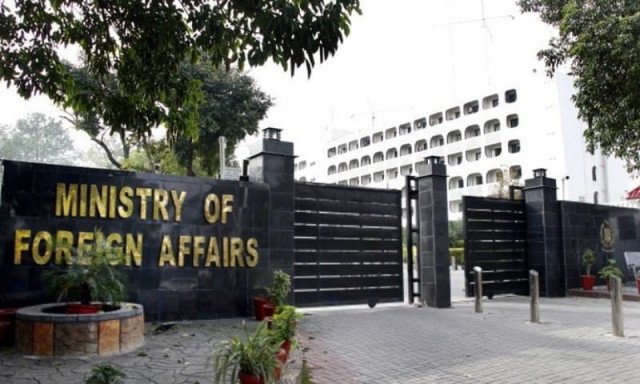
At his weekly press briefing, Tahir Andrabi, spokesperson for Pakistan’s Foreign Office, confirmed that the country would maintain its current policy toward Afghanistan despite calls from some friendly nations for engagement with the Taliban authorities.
“As regards the situation in Afghanistan, the situation remains the same. We have emphatically communicated to Afghanistan and to our interlocutors that we need verifiable assurances from the Afghan side that their territory would not be used for terrorism against Pakistan,” Andrabi said.
“Since those assurances have not been received, we will continue with our existing policy with respect to that country,” he added.
Nevertheless, diplomatic sources indicated that while Pakistan is firm on its overall stance, the possibility of a temporary pause in hostilities during Eid has not been ruled out, reflecting Islamabad’s desire to avoid escalation while continuing to press for concrete action from Kabul.
