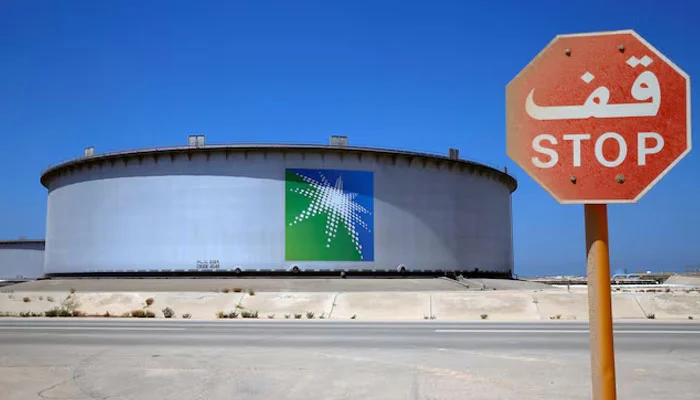
Saudi Arabia temporarily shut down its largest domestic oil refinery on Monday following a drone attack, a source said, as escalating hostilities involving Israel, the United States, and Iran disrupted oil and gas production across the Middle East.
The attacks, now entering into a third consecutive day, have triggered precautionary shutdowns at key energy facilities, including oil fields in Iraqi Kurdistan and major offshore gas operations in Israel, tightening supplies to regional and global markets.
Ras Tanura Refinery Shut as Precaution
State-owned energy giant Saudi Aramco halted operations at its Ras Tanura refinery, which has a capacity of 550,000 barrels per day (bpd). The facility is part of a major energy complex on Saudi Arabia’s Gulf coast and also functions as a critical export terminal for Saudi crude.
According to Saudi officials, the shutdown was a precautionary measure after two drones were intercepted near the facility. Debris from the interception caused a limited fire, but there were no injuries, the Saudi defence ministry said in comments aired on Al Arabiya.
The situation at the refinery is now under control, officials added. While some processing units were shut, the supply of fuel and petroleum products to domestic markets was not affected, according to the Saudi Press Agency.
Regional Oil and Gas Output Disrupted
In Iraq’s Kurdistan region, oil producers exporting roughly 200,000 bpd via pipeline to Ceyhan Port halted production as a safety measure. Companies including DNO, Gulf Keystone Petroleum, Dana Gas, and HKN Energy reported no damage to infrastructure.
Off Israel’s coast, the Leviathan gas field, operated by Chevron, was shut down on Saturday, sources said. Energean also suspended operations at its production vessel serving smaller offshore fields, curbing gas exports to Egypt.
Strait of Hormuz Tensions Fuel Oil Price Surge
The refinery shutdown has heightened concerns over global energy supplies, especially as shipping through the Strait of Hormuz—a route carrying about one-fifth of global oil consumption—has slowed sharply following attacks on vessels in the area.
Brent crude futures surged nearly 10%, climbing above $82 per barrel on Monday, reflecting growing market anxiety.
‘Significant Escalation’ in Regional Conflict
“This attack marks a significant escalation, with Gulf energy infrastructure now firmly in Iran’s sights,” said Torbjorn Soltvedt, Middle East analyst at Verisk Maplecroft. He added that the incident could push Saudi Arabia and other Gulf states closer to direct involvement alongside the US and Israel.
Saudi Arabia’s energy facilities have been targeted before, most notably in 2019, when drone and missile strikes on the Abqaiq and Khurais plants temporarily knocked out more than half of the kingdom’s crude output.
The Ras Tanura complex itself was previously attacked by Yemen’s Iran-aligned Houthis in 2021.
As tensions intensify, analysts warn that further disruptions to Middle Eastern energy infrastructure could deepen volatility in global oil and gas markets in the days ahead.
