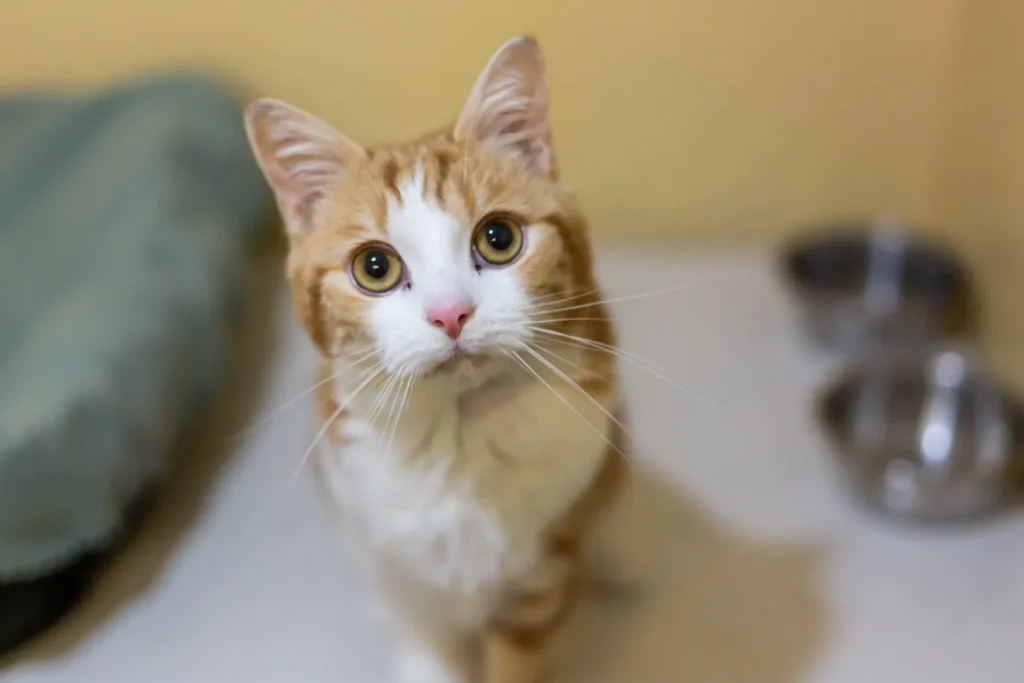
Cats are already known for reducing stress and offering emotional comfort, but new scientific evidence suggests they may also help scientists better understand and treat certain types of cancer in humans.
A recent study published in Science has found strong biological similarities between cancers found in domestic cats and those affecting humans. Researchers say these parallels could open new doors for developing targeted cancer therapies.
Why Cats Are Valuable for Cancer Research
The study was co-authored by Louise van der Weyden, a researcher at the Wellcome Sanger Institute, who explained that cats share many environmental and biological factors with humans.
Like people, cats are exposed to pollution, including secondhand smoke, and often develop additional health problems alongside cancer, such as diabetes or heart disease.
Because these illnesses occur naturally, scientists believe cats provide a more realistic model for studying cancer compared to laboratory animals.
Large-Scale Analysis of Feline Tumors
An international research team examined cancerous tumor samples from nearly 500 pet cats across five countries. The analysis covered 13 cancer types, including breast, brain, lung, and skin cancers.
Since cancer is driven by genetic mutations, researchers compared feline tumor DNA with known cancer-related mutations in humans. The results revealed several important overlaps.
Breakthrough Findings in Breast Cancer
One of the most significant discoveries involved breast cancer. More than half of the feline mammary tumors examined showed mutations in the FBXW7 gene, a mutation also seen in humans.
While this mutation is rare in women, it is associated with particularly aggressive breast cancer. Researchers found the same aggressive behavior in cats, making them a strong biological match for studying this disease.
According to van der Weyden, this similarity makes cats an excellent model for testing new treatments that would otherwise be difficult to trial in humans due to the limited number of affected patients.
Promising Treatment Potential
Following these findings, Swiss researchers tested existing chemotherapy drugs on tumors with the FBXW7 mutation. Two treatments showed strong effectiveness.
Although further research is required, these drugs are already approved for both human and veterinary use, raising hopes that benefits could reach patients sooner.
Cancer experts say the study also helps clarify how genetics and environmental factors work together to trigger cancer development.
A Win-Win for Humans and Pets
Scientists describe the research as a rare “win-win” scenario. Insights gained from treating cancer in cats could directly improve therapies for humans, while advances in human medicine could also enhance cancer care for pets.
As researchers continue exploring these shared genetic pathways, cats may play a surprising and important role in shaping the future of cancer treatment for both species.
