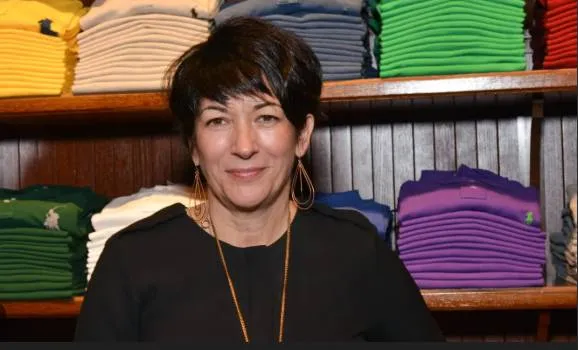
Ghislaine Maxwell, the convicted accomplice of disgraced financier Jeffrey Epstein, is set to be questioned by the US Congress on Monday in a closed-door deposition, though she is widely expected to refuse to answer questions by invoking her constitutional rights.
Maxwell, who is serving a 20-year prison sentence for trafficking underage girls for Epstein, will testify via video link from prison before the House of Representatives Oversight Committee.
Congressional Inquiry Into Epstein’s Powerful Connections
The House Oversight Committee is investigating Epstein’s extensive links to influential political, business, and social figures, as well as how US authorities handled information related to his crimes over several decades.
Although no new criminal prosecutions are expected following the recent release of Epstein-related government documents, the disclosures have triggered renewed scrutiny. Several prominent figures have faced reputational damage, resignations, or public backlash as their past associations with Epstein surfaced.
Maxwell Expected to Invoke Fifth Amendment Rights
According to her legal team, Maxwell will invoke her Fifth Amendment right against self-incrimination unless Congress grants her immunity. Her lawyers formally requested legal immunity to allow her to testify freely, but lawmakers rejected the request.
“Proceeding under these circumstances would serve no other purpose than pure political theatre,” Maxwell’s attorneys said in a letter to the committee.
With immunity, Maxwell is legally entitled to decline answering questions that could expose her to further criminal liability.
Epstein’s Crimes and Death Continue to Haunt US Politics
Jeffrey Epstein was convicted in 2008 of soliciting a minor but continued to maintain close ties with wealthy and powerful individuals after his release in 2009. His arrest in 2019 on federal sex trafficking charges reignited global outrage over elite impunity.
Epstein died in a New York jail later that year while awaiting trial, in a death ruled a suicide, though it continues to fuel controversy and conspiracy theories.
Political Sensitivities Surrounding the Case
The Epstein case has become politically charged, particularly amid criticism of how authorities have handled Maxwell’s imprisonment.
Last year, Maxwell was transferred to a minimum-security prison in Texas after meeting twice with Deputy Attorney General Todd Blanche, who previously served as personal lawyer to former US President Donald Trump.
Trump, who had past social ties with Epstein, has not been summoned by the Oversight Committee, which is currently led by Republicans.
Meanwhile, the committee is also seeking depositions from former US President Bill Clinton and former Secretary of State Hillary Clinton. The Clintons have requested that any testimony be conducted publicly, citing concerns that closed proceedings could be politically manipulated.
Renewed Focus on Accountability
As Congress continues its investigation, Maxwell’s refusal to testify is likely to frustrate lawmakers seeking clarity on how Epstein operated for years with apparent protection from scrutiny. The case remains a flashpoint in debates over justice, accountability, and the influence of powerful elites.
