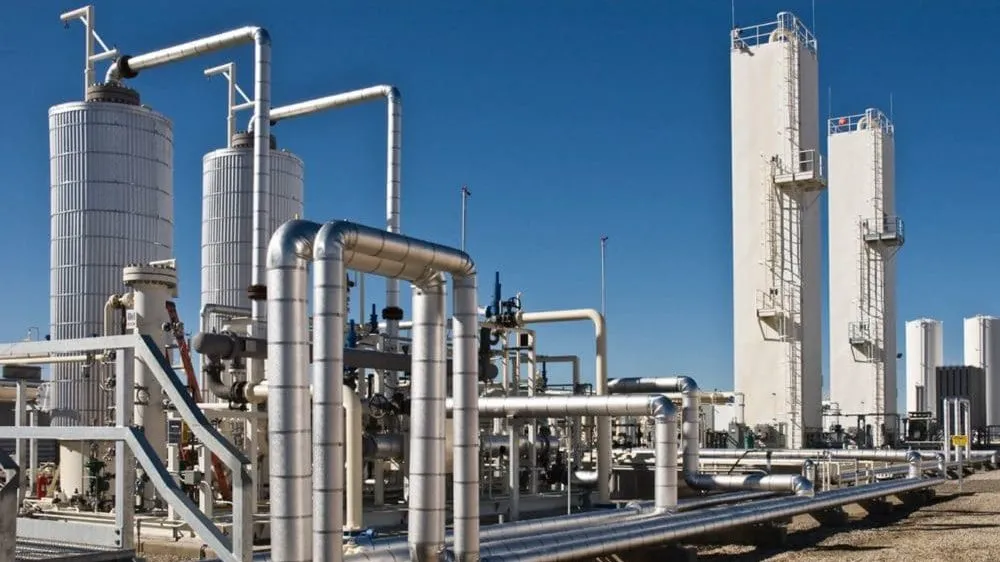
Pakistan has launched initial work on its first-ever underground gas storage (UGS) facilities as part of efforts to manage repeated LNG cargo diversions, surplus gas in pipelines, and rising safety risks in the national gas transmission system.
The project is being initiated by Interstate Gas Systems (ISGS), a government-owned company under the energy sector.
Consultants Invited for Feasibility and Needs Assessment
ISGS has invited proposals from experienced consulting firms through the Public Procurement Regulatory Authority (PPRA) EPAD portal to conduct:
A needs assessment study
A pre-feasibility study for underground gas storage development
The studies will evaluate suitable geological locations, technical options, costs, and implementation timelines for the storage project.
Target Storage Equal to 11–12 Days of National Consumption
Officials said the first phase of the project aims to develop storage capacity equal to 11 to 12 days of Pakistan’s total gas consumption.
At present, Pakistan has no dedicated gas storage infrastructure and relies almost entirely on linepack, which is the volume of gas stored under pressure within transmission pipelines.
Heavy Reliance on Linepack Raises Safety Concerns
Energy regulators and system operators warn that depending on linepack as a substitute for storage is:
Operationally inefficient
Potentially dangerous at high pressures
During periods of low demand, excess gas can push pipeline pressure beyond 5 billion cubic feet (bcf), which officials describe as a serious safety risk for the national gas network.
LNG Cargo Diversions Trigger Storage Push
Pakistan has repeatedly faced situations where LNG shipments exceeded domestic demand, forcing authorities to approve cargo diversions and cancellations.
In late 2025 and early 2026, the government allowed the diversion of up to 35 LNG cargoes in 2026, involving major suppliers such as:
QatarEnergy
Eni
The move aimed to reduce surplus gas buildup and ease pressure in transmission pipelines.
Interim Measures Failed to Solve Structural Problem
Before moving toward underground storage, Pakistan explored several short-term options, including:
Offshore LNG storage solutions
Resale of surplus LNG cargoes
Deferral of contractual LNG deliveries
Officials say these measures provided temporary relief but failed to address the structural lack of storage capacity in the gas system.
Why Underground Gas Storage Matters
In advanced gas markets, underground storage facilities are widely used to:
Balance daily and seasonal demand swings
Maintain supply during emergencies or peak winter demand
Reduce stress on transmission pipelines
Without dedicated storage, Pakistan remains vulnerable to supply-demand mismatches and pressure fluctuations, increasing both operational and safety risks.
Part of Broader Energy System Stabilization
Energy officials view underground gas storage as a critical step toward:
Improving grid stability
Reducing costly LNG diversions
Enhancing energy security
If the feasibility phase confirms technical and economic viability, the government is expected to move toward project structuring and financing in the next stage.
