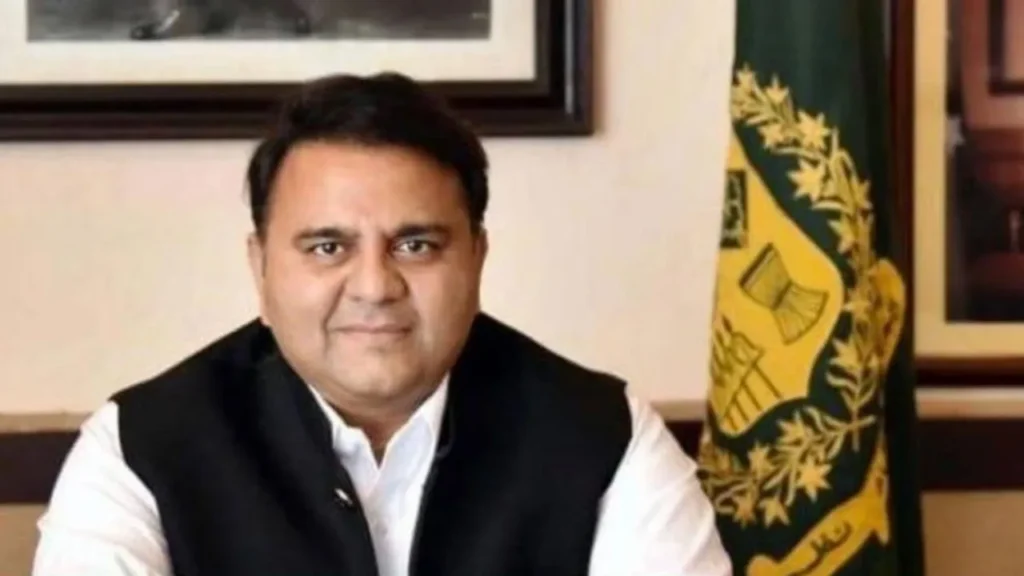
Islamabad – Senior politician and former PTI Information Minister Fawad Chaudhry has called on Pakistan to allow licensed liquor shops under a regulated framework, similar to systems followed in countries such as the United Arab Emirates and Turkey.
Speaking on the YouTube talk show “Drive With Shazia Zeeshan,” Chaudhry argued that alcohol consumption already exists in Pakistan despite legal prohibitions and that a regulated system would help control illegal trade rather than eliminate it.
Alcohol Ban Has Fueled Black Market, Says Fawad Chaudhry
Fawad Chaudhry said the 1977 prohibition law led to the creation of a large black market for alcohol, which operates outside state oversight. According to him, introducing a licensing regime would:
Reduce illegal alcohol sales
Curb corruption linked to the underground market
Bring the trade under government regulation
He emphasized that regulation, not blanket bans, is a more effective way to manage activities that already exist in society.
Criticism of Sheesha Café Closures
The former minister also criticized former Chief Justice Umar Ata Bandial, holding him responsible for the closure of sheesha cafés and similar establishments across the country.
Chaudhry argued that such shutdowns did not eliminate these activities but instead pushed them further underground, making them harder to regulate and monitor.
“Pakistan Has Become a Bannistan,” Says Former Minister
Describing Pakistan as a “bannistan,” Fawad Chaudhry said festivals, recreational events, and social spaces are frequently shut down instead of being properly managed.
He stressed that excessive restrictions have reduced public spaces for recreation and discouraged cultural and social activities.
Calls for Modern and Tolerant Recreational Policies
Referring to countries like the UAE and Turkey, Chaudhry noted that many Muslim-majority nations regulate bars, nightlife, and recreational venues while still maintaining social order and attracting foreign investment and tourism.
He argued that Pakistan must adopt a more modern and tolerant approach to recreation if it wants to progress economically and socially, rather than relying on outright bans that drive behavior into informal and illegal channels.
