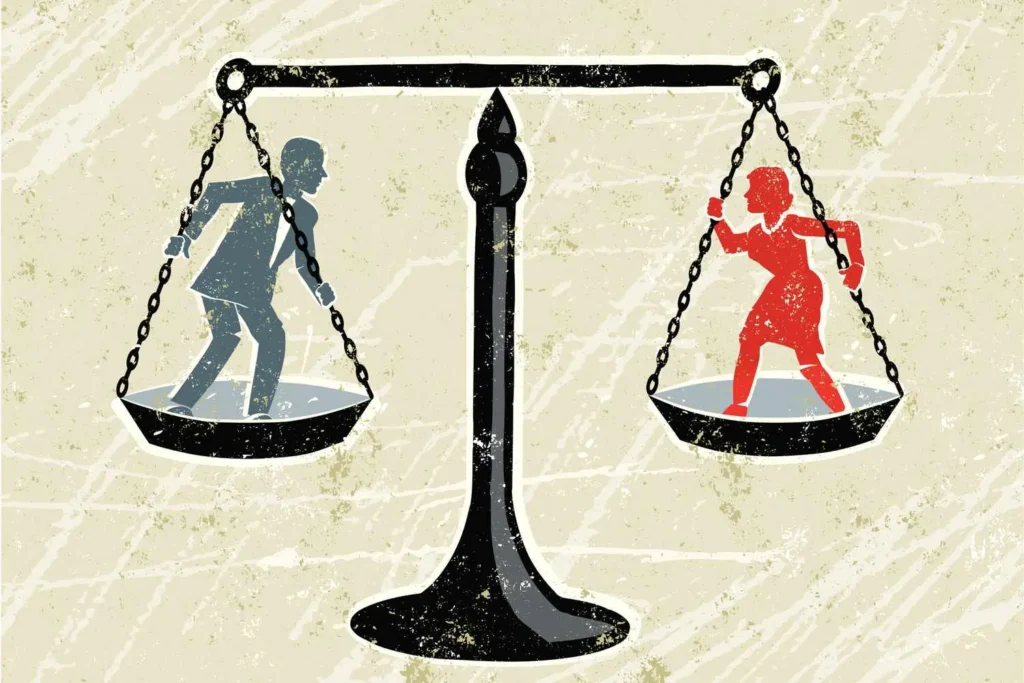
In every field, from politics to business, from academia to media, men still dominate the top positions. It’s easy to assume this imbalance is natural or inevitable, but that belief ignores a deeper truth: success is never only about talent or effort. It’s about opportunity, access, and freedom, things that, for generations, women have been denied in ways both subtle and profound.
1. Society Teaches Women to Adjust, Not to Aspire
From a young age, girls are taught to be agreeable, polite, and accommodating. Boys are told to lead; girls are told to listen. When a woman raises her voice, she’s “too emotional”. When she leads with authority, she’s “too aggressive”. These double standards create invisible ceilings long before women enter professional life. The message is clear: ambition in men is admirable; ambition in women is uncomfortable.
2. The Weight of Cultural Expectations
In many societies, especially ours, a woman’s worth is still measured by how well she fulfils her family roles as a daughter, wife, and mother. Rather than by her personal achievements. Even highly educated women face pressure to prioritise marriage over career. Those who pursue professional success often carry a double burden: excelling at work while managing the household. Few men face such expectations. The result? Many women burn out, step back, or are forced to choose between dreams and duties.
3. Lack of Equal Opportunities
Even when women are equally qualified, they are often passed over for promotions or paid less for the same work. Leadership positions remain disproportionately male because systems are built by and for men. Mentorship, networking, and decision-making circles are often male-dominated, and women, lacking access to these networks, are left behind.
4. Fear of Judgement and Social Backlash
When a woman breaks social norms, working late hours, choosing not to marry early, or prioritising her ambitions, she faces scrutiny. People question her morals, her femininity, and even her family’s upbringing. These judgements create psychological barriers that stop many women from taking risks or stepping forward. Men, on the other hand, are rarely judged for choosing work over family; in fact, they are often praised for it
5. The Need for Change: from Society to Self
Women don’t fail because they lack ability; they are failed by structures that never gave them an equal start. The change must begin with how we raise our children. We must teach our sons empathy and equality and our daughters confidence and independence. Workplaces must build inclusive policies, flexible hours, and parental leave for both men and women, and equal pay.
And most importantly, society must stop equating a woman’s obedience with her worth.
A Closing Thought
It’s not that men are inherently more successful; it’s that women have been conditioned to accept less. The chains that hold women back are not always visible; they are made of expectations, silence, and centuries of unequal norms. The day we stop telling women to “adjust” and start encouraging them to “aspire”, success will no longer have a gender
