Pakistan floods trigger dollar shortage.
Pakistan’s worst floods in decades have deepened a shortage of dollars in the market, heightening risks for the rupee’s recent rally and stoking concerns of hoarding, currency dealers warned.
Many banks and exchange outlets have halted operations after being inundated, leaving dollars scarce across the country, said Saleem Amjad, chief executive of Link International Exchange Co., one of the largest foreign exchange firms in Pakistan, to Bloomberg.
930 people killed
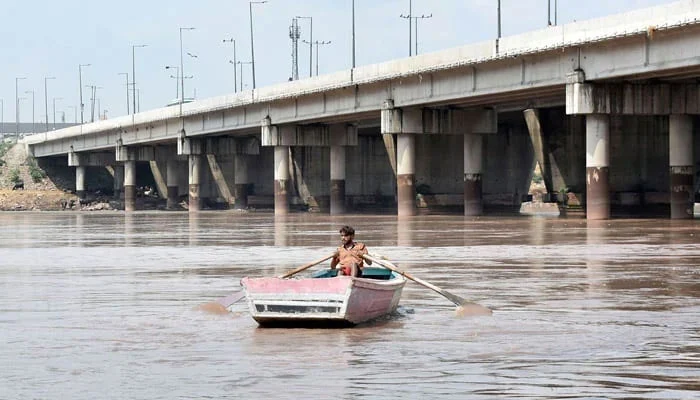
The disaster has killed more than 930 people and displaced over four million people in the past two months. Beyond human tragedy, the flooding is disrupting supply chains from food to foreign currency, amplifying pressure on an economy already struggling to stabilise.
The rupee, which has gained for 25 consecutive sessions, its longest winning streak in two years, may struggle to sustain momentum if the shortage persists.
Analysts warned the scarcity could also hinder imports and complicate Islamabad’s efforts to demonstrate stability ahead of an International Monetary Fund loan review.
“The floods could strain external balances, foreign exchange reserves, and, hence, the rupee,” Bloomberg economist Ankur Shukla wrote in a note, cautioning that further stress on shipments may deplete reserves that already cover less than three months of imports.
The rupee has risen 1.2% since July’s low, supported by closer military scrutiny, an upgrade from S&P Global Ratings, and a trade agreement with the United States. But with supplies of dollars tightening, some individuals are holding on to the greenback, betting on a reversal in the currency’s strength, Amjad noted.
Zafar Paracha, general secretary of the Exchange Companies Association of Pakistan, maintained the shortage was temporary and likely to ease within two weeks. Still, a survey by Topline Securities earlier this month found half of respondents expected the rupee to weaken to 285–290 against the dollar by year-end.
