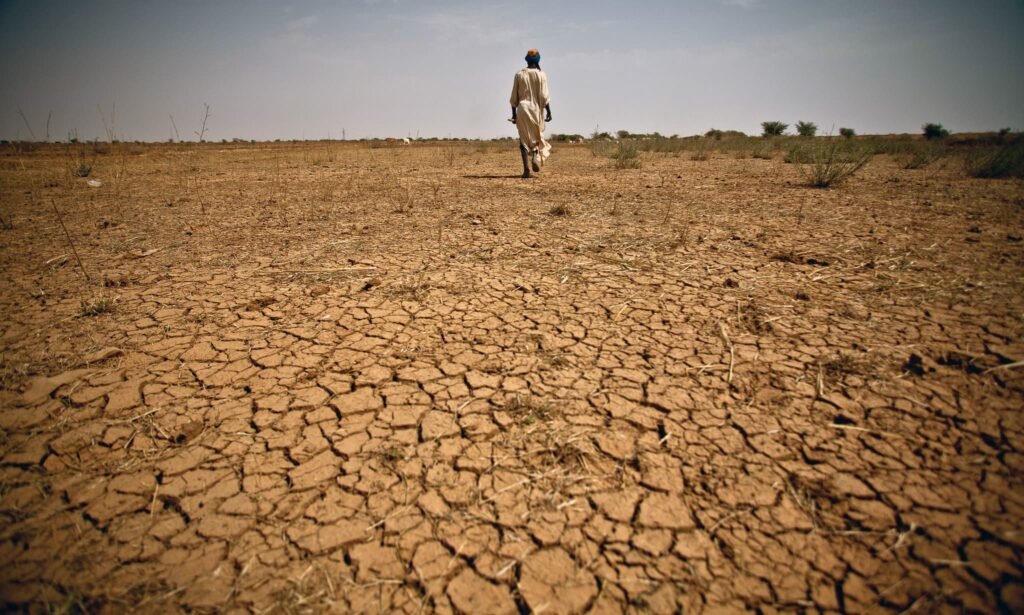
Rawalpindi faces severe water shortage as authorities declare emergency.
Rawalpindi authorities have announced a water emergency for the second time this year as the city faces a severe drought that has drastically reduced water reserves.
Khanpur Dam now contains only enough water to last one month, while Rawal Dam’s reserves may sustain the city for up to three months under current consumption patterns, according to the Water and Sanitation Agency (WASA) reports.
WASA Managing Director Muhammad Saleem Ashraf maintained that the daily water demand in Rawalpindi has reached over 50 million gallons, yet the available supply stands at just 30 million gallons—creating a significant daily deficit of 20 million gallons.
The persistent lack of precipitation has forced greater dependence on tube wells and alternative water sources throughout the region.
Also read: Quenching thirst, Quelling conflict: Innovative solutions for Balochistan’s water crisis
Officials cite rapid population growth and increased commercial activities as additional factors accelerating water resource depletion.
In response to the crisis, WASA has announced potential legal action against unnecessary water usage and urged residents of both Rawalpindi and neighbouring Islamabad to implement immediate conservation measures.
Practical steps from Water conservation experts
Water conservation experts recommend several practical steps for residents, including:
- Fixing leaky faucets and pipes
- Taking shorter showers
- Reusing household water for gardening when possible
- Avoiding hosing down driveways and sidewalks
- Running washing machines and dishwashers only with full loads
Local meteorologists report that rainfall patterns have been consistently below seasonal averages, with little immediate relief expected.
Climate monitoring stations across Punjab province have recorded significantly reduced precipitation compared to historical data.
