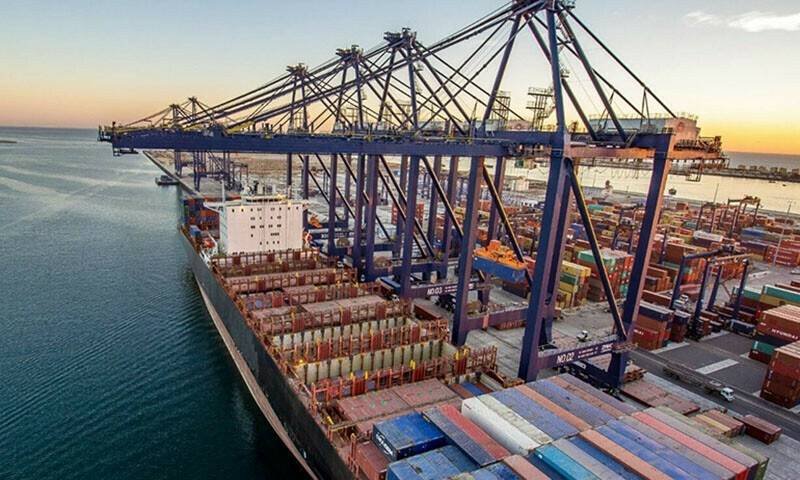
Pakistan bans entry of Indian flag carriers at its ports.
As tensions between India and Pakistan increase after the Pahalgam attack, Pakistan on Saturday stopped Indian-flagged ships from using its ports.
The April 22 attack in Pahalgam claimed 26 lives, mostly tourists, marking one of the deadliest assaults in the region since 2000.
While India has suggested cross-border involvement without presenting evidence, Pakistan has denied any role and called for an impartial international investigation.
“Operational freedom”
Amid rising tensions, Pakistan bolstered its military presence, and India’s leadership granted its armed forces “operational freedom“.
On April 30, Pakistani officials warned of a potential Indian incursion within 24–36 hours, prompting urgent diplomatic efforts to de-escalate the situation.
Earlier on Saturday, India barred Pakistani-flagged vessels from docking at its ports and prohibited Indian-flagged ships from visiting Pakistan.
The Indian Directorate General of Shipping stated the move was made to protect “Indian assets, cargo, and related infrastructure” in the interest of national security.
In response, Pakistan’s Ministry of Maritime Affairs issued a reciprocal directive:
“In light of recent maritime developments, and to safeguard maritime sovereignty and national security, the following measures take immediate effect — Indian flag carriers are banned from all Pakistani ports, and Pakistani ships will not visit Indian ports. Any exemptions will be considered on a case-by-case basis.”
These maritime restrictions follow a series of retaliatory steps taken by both sides.
India has closed its airspace to Pakistani aircraft until May 23 and blocked several Pakistani social media accounts, including those of media outlets and political figures.
Trade between the two countries has steadily declined over the years.
Revoking Article 370
In August 2019, Pakistan downgraded trade relations with India to the level of non-existent ties it maintains with Israel, in protest against India’s revocation of Article 370, which had granted special autonomy to Kashmir.
India has since intensified its measures, announcing a ban on all imports from or transiting through Pakistan and suspending the delivery of inbound mail and parcels.
A notification from India’s Directorate General of Foreign Trade (DGFT) stated the ban takes immediate effect, citing national security and public policy concerns.
In retaliation, Pakistan has suspended all border trade, shut its airspace to Indian carriers, and expelled Indian diplomats.
However, in a humanitarian gesture earlier this week, Pakistan allowed 150 stranded Afghan trucks carrying goods for India to cross the Wagah Border, easing a backlog.
