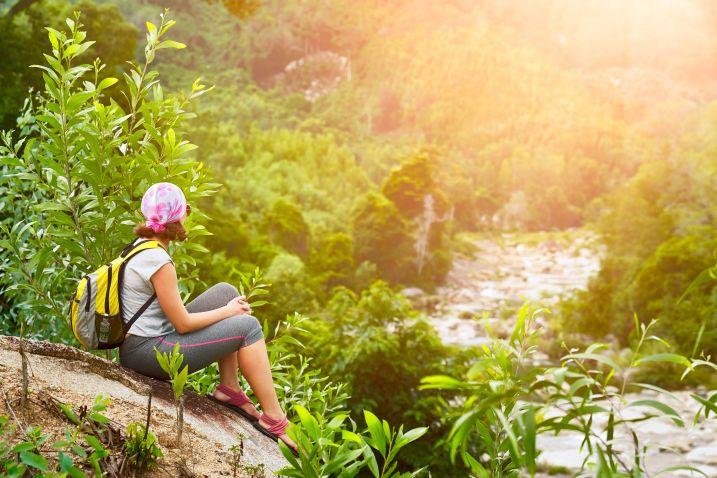
It has become a universally acknowledged truth that green tourism and sustainable development have become decisive factors in attaining sustainable growth. As the global focus on environmental conservation intensifies, green tourism has emerged as a beacon of hope for sustainable development. Pakistan, with its diverse landscapes ranging from majestic mountains to serene coastal areas, is uniquely positioned to embrace and promote this eco-friendly approach to tourism. By preserving its natural beauty and fostering sustainable practices, Pakistan has the potential to become a model for green tourism in the region.
Unfortunately, in the past the country had prioritised its conventional side of the economy, neglecting its tourism potential. But now, with the foresight of policymakers, the country has settled the course of its trajectory in the right direction by initiating the Special Investment Facilitation Centre (SIFC). A significant component of this initiative is the establishment of the Green Tourism Company, which has invested in government-owned recreational resorts. The company has allocated 3 billion rupees to develop 20 locations across Pakistan, with 25% of these sites situated in Gilgit-Baltistan. This investment is projected to generate over 300 direct and up to 4,000 indirect job opportunities in the region.
The Green Tourism initiative also includes the development of a digital platform to provide tourists with convenient access to booking services, professional guides, and accommodation facilities via mobile devices. The primary agenda of this green tourism company is to promote tourism, to increase the national exchequer and to attract foreign direct investment (FDI). Additionally, there are plans to attract international sports and cultural events to Pakistan, further boosting the country’s global tourism profile.
According to the World Economic Forum (WEF) 2024, Pakistan stands at (101) out of (119) countries in the Travel and Tourism Development Index (TTDI). Although this is a 20-position improvement compared to the year 2019, it is a positive sign that Pakistan could grow in this industry. In South Asia, Pakistan ranks slightly above Nepal (105) and Bangladesh (109), but far below India (39) and Sri Lanka (76). It is not only the branding and projection of Pakistan, but also the economic factor that plays the key role in this regard. Currently, the tourism industry in Pakistan accounts for 5.8% of total GDP. And it is targeted to achieve 8% of GDP for the year 2025, which equates to $38 billion. If the country plays its cards well, then it can achieve a leapfrog in the tourism sector.
Green tourism, also known as sustainable tourism, prioritises environmental conservation, cultural preservation, and community well-being. It minimises the ecological footprint of tourism activities while maximising benefits for local populations. In a country like Pakistan, where many communities rely on natural resources for their livelihoods, green tourism can play a crucial role in preserving biodiversity, empowering local communities, cultural preservation, and reducing climate impact. Pakistan is a land of stunning contrasts. All provinces and union territories offer a variety of tourist points. The northern regions boast the towering peaks of the Karakoram, Himalayas, and Hindu Kush ranges, home to some of the world’s highest mountains, including K2. In addition to this, the lush green valleys of Swat, Hunza, and Naran offer breathtaking views and unique biodiversity.
In the south, the Indus Delta and the Makran coastline provide habitats for diverse marine and bird species. Conversely, Punjab and Sindh are home to faith or religious and cultural tourism. These natural treasures make Pakistan an attractive destination for ecotourists seeking authentic experiences in pristine environments. It is high time when and where the climate change has become an existential threat to this planet; green tourism has become an alarming bell for the global community to realise its importance for a sustainable future.
In this region, Pakistan is the lowest of all with respect to the culture of green tourism. China, India, Sri Lanka, and Iran are ahead of Pakistan. However, the country is making strides in green tourism; a comparative analysis with other nations highlights areas of improvement and potential growth. For instance, Bhutan’s policy of “high-value, low-impact tourism” serves as a model. The country limits the number of tourists and charges a sustainable development fee to fund environmental conservation and community projects. Pakistan could adopt similar policies in its fragile ecosystems, such as the northern mountainous regions, to ensure long-term sustainability. Costa Rica, renowned for its ecotourism, has leveraged its biodiversity to develop a thriving green tourism sector. Initiatives like carbon-neutral certification for hotels and community-driven conservation efforts have set a global benchmark. Pakistan could replicate such initiatives by introducing certifications and incentivizing eco-friendly businesses
Additionally, both countries, Pakistan and Nepal, attract adventure tourists to their mountainous terrains. Nepal’s efforts to regulate trekking activities through permits and eco-tourism taxes ensure funds are reinvested in conservation. Pakistan’s trekking and mountaineering industry could benefit from similar regulatory frameworks to manage environmental impact. Lastly, the Scandinavian countries, like Norway and Sweden, have integrated green technology into tourism infrastructure, offering sustainable transportation options and eco-friendly accommodations. Pakistan could explore partnerships to adopt these technologies in regions like Gilgit-Baltistan, which receive significant tourist footfall.
Moreover, there seems to be a promising future for green tourism in Pakistan. As the country is new to this venture, several initiatives in the country exemplify the achievements of green tourism. In this regard, Pakistan has established numerous national parks, including the Khunjerab National Park and Deosai National Park, to conserve its unique ecosystems and wildlife.
Activities such as trekking, mountaineering, and rafting are conducted with an emphasis on environmental preservation and safety, which is the manifestation of the promotion of adventure tourism. Furthermore, Community-Based Tourism In regions like Hunza and Skardu, there are also benchmarks in the tourism industry where local communities have developed eco-lodges and guided tours, offering visitors a chance to experience traditional lifestyles while contributing directly to the local economy. Similarly, the steps have been taken in Punjab, Sindh, and Balochistan, but still there is a dire need of concerted and tangible efforts to materialise the dream of becoming a favourite tourist site.
Despite its potential, green tourism in Pakistan faces several challenges the top among the list is Law and Order situation coupled with Inadequate Infrastructure. Moreover, environmental degradation, policy and regulation gaps, and lack of awareness are also among the key challenges. To overcome these challenges and realise the potential of green tourism, Pakistan must adopt a multi-faceted approach, including infrastructural development, community involvement, awareness campaigns, and policy reforms. Furthermore, there is serious need to foster Partnerships with international organizations, NGOs, and private sector stakeholders to fund and promote green tourism initiatives. In this whole debate, the role of law enforcement agencies (LEAs) becomes vital in ensuring the security situation of the country, for safe and secure destinations attract tourists and ultimately the image of the country is projected in a better way.
Green tourism presents an incredible opportunity for Pakistan to balance economic growth with environmental and cultural preservation. By prioritising sustainability and fostering collaboration among stakeholders, the country can transform its tourism industry into a shining example of eco-friendly development. With the right strategies, Pakistan can not only protect its natural heritage but also inspire other nations to follow suit, ensuring a greener and more sustainable future for all.
