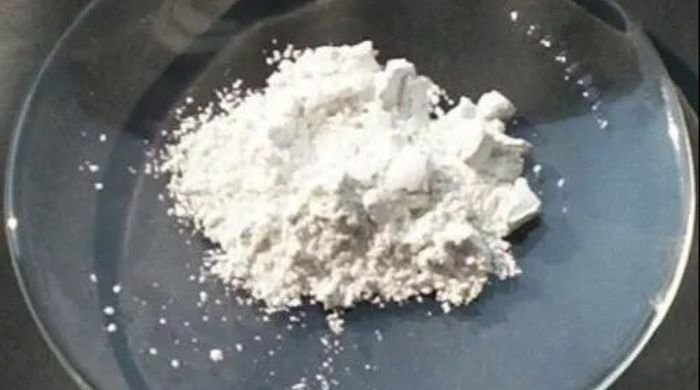
What’s arsenic, the powder sent to Pakistan’s judges? A recent forensic report has verified the presence of arsenic in the white powder contained in threatening letters sent to prominent Pakistani judges.
Prime Minister Shehbaz Sharif has pledged government resources to delve into the origins of these menacing letters.
Letter Delivery and Discovery
Anonymous individuals dispatched sealed envelopes to all eight judges of the Islamabad High Court (IHC), each bearing the name and address of its intended recipient.
Upon opening, IHC staff encountered a suspicious substance concealed within.
Legal Response
In response to this apparent threat, the IHC registrar promptly alerted authorities, leading to the initiation of a criminal case under relevant sections of Pakistani law pertaining to intimidation and terrorism.
Widespread Impact
The reach of this concerning development extends beyond the confines of the IHC, as judges of both the Supreme Court and the Lahore High Court (LHC) also received similar correspondence.
Forensic Findings
A comprehensive forensic examination has confirmed the presence of arsenic in the letters destined for judges of the Lahore High Court (LHC).
Arsenic inhalation poses serious health risks, including respiratory and circulatory complications.
Investigative Challenges
CCTV footage surrounding the post offices implicated in the letter dispatch has been tampered with, complicating investigative efforts.
Also read: LHC judges also receive ‘threatening letters’
However, authorities are expanding their inquiry to include footage from privately-owned surveillance cameras in the vicinity.
Ongoing Investigation
The Counterterrorism Department of the Islamabad Police has assumed a central role in investigating these threatening letters.
Regular updates are being provided to the IHC registrar to ensure transparency and accountability in the investigative process.
What’s arsenic, the powder sent to Pakistan’s judges?
Arsenic is a well-known toxic metalloid, a chemical element that can be found in various minerals, often in combination with sulfur and metals, or in its pure elemental form.
Arsenic poisoning is a serious medical condition that arises from elevated levels of arsenic within the body. When arsenic poisoning occurs rapidly, symptoms can include vomiting, abdominal pain, encephalopathy (brain dysfunction), and diarrhea with blood.
Long-term exposure to arsenic can lead to additional health issues such as skin thickening, darkening of the skin, persistent abdominal pain, chronic diarrhea, heart problems, numbness, and an increased risk of cancer.
