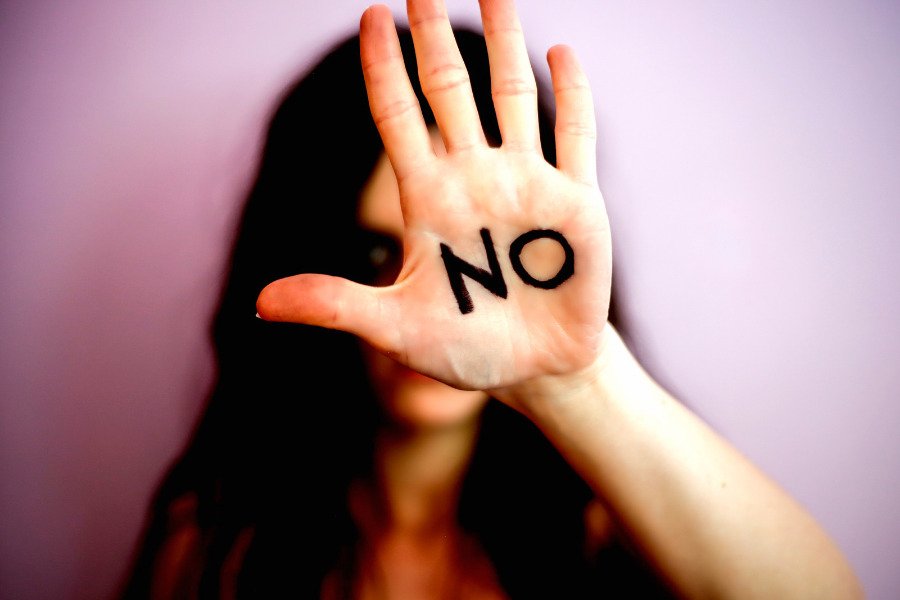
Gender-based violence and violence against women, these two words are interchangeable. The UN Declaration on the Elimination of Violence against Women defines violence against women as “any act of gender-based violence that results in, or is likely to result in, physical, sexual or psychological harm or suffering to women, including threats of such acts, coercion or arbitrary deprivation of liberty, whether occurring in public or in private life ”.
Violence against women is specifically tilted toward women while Gender-based violence covers all types of genders. The explanatory report to the Istanbul convention states that “Gender-based violence refers to any type of harm that is perpetrated against a person or group of people because of their factual or perceived sex, gender, sexual orientation and/or gender identity.”
In addition, gender-based violence applies to instances where gender is the basis for violence carried out against a person. However, there is more to gender than being male or female: someone may be born with female sexual characteristics but identify as male, or as male and female at the same time, or sometimes as neither male nor female. LGBTQ+ people (lesbian, gay, bisexual, transgender, Queer, and other people who do not fit the heterosexual norm or traditional gender binary categories) also suffer from violence which is based on their factual or perceived sexual orientation, and/or gender identity. For that reason, violence against such people falls within the scope of gender-based violence. Moreover, men can also be targeted with gender-based violence, yet statistically, the numbers of violence against men are not high in comparison to women. Nonetheless, this information should not be neglected.
According to Pakistan’s demographic and health survey, 39% of women between the ages of 15 and 49 are physically and emotionally abused by their spouses. Besides this, 1 out of 10 women is a victim of violence during pregnancy, according to the same survey. Moreover, there are many national laws regarding Gender-based violence and ratified international treaties, but still, violence regarding gender prevails in Pakistan and seems to be a never-ending problem.
Consequently, some of the causes of violence are as follows:
1. Cultural factors, where patriarchal and sexist rituals and practices legitimize violence against violence to ensure the dominance and superiority of men.
2. Legal factors, where women are victims of gender-based violence are perceived in many societies as shameful and weak identities. Further, many women are considered guilty of attracting violence against themselves through their behavior, like their dressing sense and aspiration to work outside their homes. Moreover, law-related spaces are so men-oriented that a woman cannot present a bill-related gender-based violence.
3. Economic factors and lack of economic resources lead to gender violence. The victims of this kind of violence are women, who are dependent upon their spouses. Additionally, LGBTQ+ people are particularly vulnerable to violence.
4. Political factors, where the under-representation of women and LGBTQ+ people in political fields led them to have fewer opportunities. This further, affects the chances to shape the discussion, changes in policy, and to adopt measures to combat gender-based violence. The topic of gender-based violence is in some cases deemed not to be important, with domestic violence also being given insufficient resources and attention.
According to the domestic crime report in Pakistan, 63,367 cases were registered. However, the unreported cases are high in numbers. Till today, this continuum of violence has not been defeated and our society does not side with the abused woman, women of Pakistan suffer alone. No matter what legislative initiatives are taken to safeguard women, they will still feel insecure in their society. According to the federal ombudsperson’s office report, the number of cases increased from 500 to 5000 in the time span of 2018-22. Further in another United Nations report, women and children are 14 times more likely to die than men, because more than 70 percent of women suffer various forms of gender-based discrimination in humanitarian crises.
In the end, women are the one who suffers more violence. This violence varies from sexual, psychological, economic, physical, and verbal violence. However, this should end now! The government should implement laws regarding gender-based violence and take recommendations from the Women’s Association, and civil society before making any kind of law. In college or in university gender-based violence should be taught as a compulsory topic. This will be a progressive approach to ending gender-based violence.
