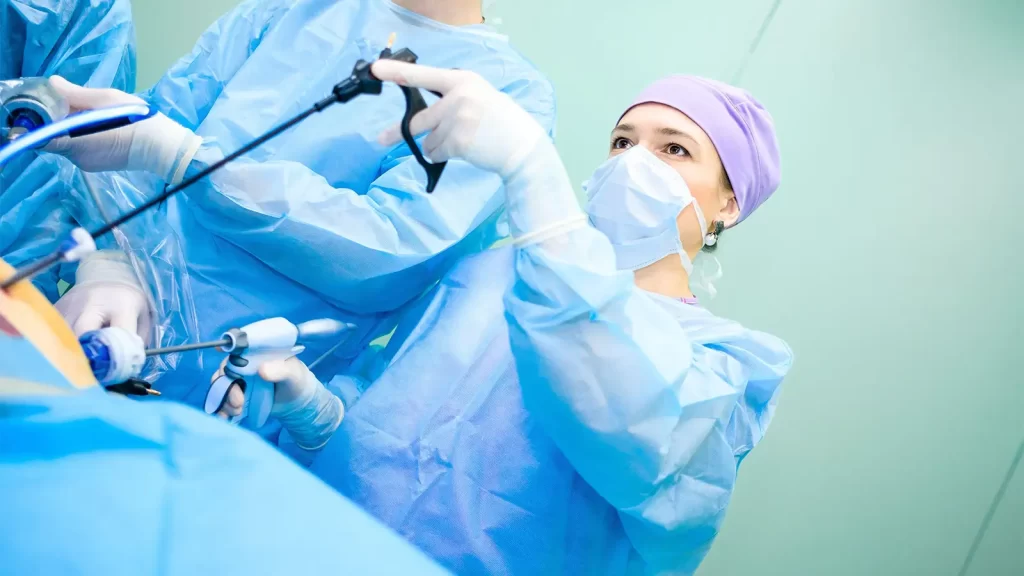
UK female surgeons were sexually assaulted while operating. Female surgeons have come forward in a comprehensive study of NHS staff, revealing instances of sexual harassment, assault, and, in some cases, rape by their colleagues, according to the BBC.
The BBC News interviewed women who had been sexually assaulted in the operating room while surgeries were being performed.
The study’s authors discovered a troubling pattern in which senior male colleagues in NHS hospitals abuse female trainee surgeons.
The Royal College of Surgeons is deeply concerned about these findings, calling them “truly shocking.”
Within the surgical community, sexual harassment, sexual assault, and rape have been referred to as an open secret.
According to reports, women were mishandled while wearing scrubs, male surgeons wiping their brows on female staff members’ bodies, and men engaged in sexual contact with female colleagues, often with the promise of professional advancement.
Also read: US surgeons win as pig kidney survives in human over a month
This study, conducted by the Universities of Exeter, Surrey, and the Working Party on Sexual Misconduct in Surgery, was shared with BBC News exclusively.
The study’s findings are startling, with nearly two-thirds of female surgeons reporting incidents of sexual harassment and a third reporting sexual assault at the hands of colleagues in the previous five years.
Many women are afraid to report such incidents for fear of jeopardizing their careers, and they are skeptical that the NHS will take appropriate action.
One experienced consultant surgeon recognized only as Judith, shared her sexual assault experience in the early stages of her career when she held the least power in the operating room. In a distressing incident, a senior male surgeon wiped his brow on her breasts.
Judith describes feeling frozen during this encounter and wondering why his face was in her cleavage. He declined her offer to get him a towel, saying, “No, this is much more fun.” She felt dirty and humiliated as a result of the experience.
Anne, who did not reveal her real name for legal reasons, told a senior surgeon about her non-consensual sex during her trainee days. Although she did not use the word rape, she did emphasize that the sexual encounter was not consented to. It happened at a social event associated with a medical conference, and the senior surgeon took advantage of her trust and vulnerability.
Both stories highlight the pervasive culture of silence and fear of retaliation that exists within the surgical profession.
The report, which was published in the British Journal of Surgery, is the first comprehensive attempt to determine the scope of these problems.
UK female surgeons sexually assaulted while operating, half of the 1,434 anonymous responses from registered surgeons were from women:
- 63% of women reported experiencing sexual harassment from colleagues.
- 30% of women experienced sexual assault by a colleague.
- 11% of women reported forced physical contact related to career opportunities.
- At least 11 incidents of rape were reported.
- 90% of women and 81% of men witnessed some form of sexual misconduct.
The report emphasizes the need for significant changes within the surgical profession, highlighting the problem’s disproportionate power dynamics.
With only 28% of surgeons being female and a deeply hierarchical structure, some senior men wield significant power, which is exacerbated by the high-pressure surgical environment.
The findings have shaken public trust in the surgical profession, and recommendations for change are desperately needed.
A second report, “Breaking the Silence: Addressing Sexual Misconduct in Healthcare,” makes recommendations for dealing with the problem.
The widespread incidence of sexual misconduct in the field is well known, but it is rarely discussed openly.
The culture of surgical training, which relies on learning from senior colleagues in the operating room, creates an environment in which women may feel unsafe speaking out about those in positions of power and influence over their careers.
The report emphasizes the importance of external and independent investigation processes in order to effectively address the issue.
Healthcare must become a safer environment, and those who have experienced harassment or inappropriate behavior must have clear reporting mechanisms and support.
The General Medical Council recently updated its professional standards for doctors, emphasizing that sexual behavior towards patients or colleagues is unacceptable and incompatible with practicing medicine in the United Kingdom.
Regardless of these changes, the question remains: Is surgery still a safe place for women to work today? Not always, according to Judith, and admitting this uncomfortable truth is the first step towards change.
