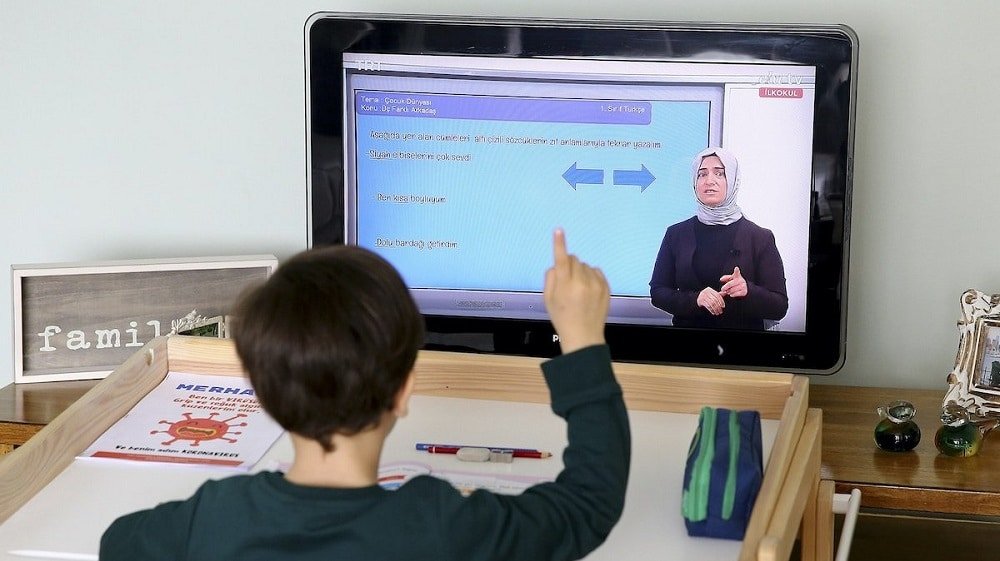
Currently, Pakistan is encountering a multitude of challenges that are adversely impacting the education sector within the nation. The state of Pakistan’s education system has been a matter of concern for policymakers, educators, and parents for a considerable period. The prevailing circumstances in Pakistan, encompassing political turbulence, economic recession, and the COVID-19 outbreak, have intensified these predicaments, rendering it more arduous for the nation to attain its educational objectives.
Insufficient funding is a significant obstacle that education in Pakistan encounters. Historically, the government has allotted a limited portion of its budget towards education, and the current economic downturn has presented additional challenges in augmenting this
allocation. Insufficient resources and infrastructure have led to substandard education in
various regions of the nation. The insufficiency of educators and inadequate provision of
training and assistance for current educators have also played a role in the deterioration of
educational standards.
In addition, the prevailing political instability in Pakistan has engendered a feeling of
unpredictability among both students and educators. The volatility of government policies
and leadership transitions has posed a challenge in formulating sustainable education plans
and initiatives. Furthermore, the security situation within the nation has adversely impacted the field of education. Numerous educational institutions have been subjected to terrorist attacks, leading to prolonged closures of said establishments.
The COVID-19 pandemic has had a notable impact on the education sector in Pakistan. The
closure of educational institutions such as schools and universities has caused significant
disruption to the education of a vast number of students throughout the nation. Several
academic institutions have transitioned to online learning; however, inadequate infrastructure and internet connectivity in certain regions of the nation have posed challenges for students to pursue their education remotely. The outcome of this situation has led to an expansion of the education disparity, where students from affluent backgrounds have a higher degree of availability to online learning compared to those from underprivileged backgrounds.
In summary, the present circumstances in Pakistan are exerting a noteworthy influence on the state of education within the nation. The decline in education quality and access can be
attributed to various factors such as inadequate funding, political instability, security
concerns, and the COVID-19 pandemic. It is imperative that the government and other stakeholders prioritize education and allocate resources and infrastructure to ensure
equitable access to quality education for all children in Pakistan. Pakistan can only aspire to
attain its educational objectives and ensure a more promising future for its populace by
following this approach.
