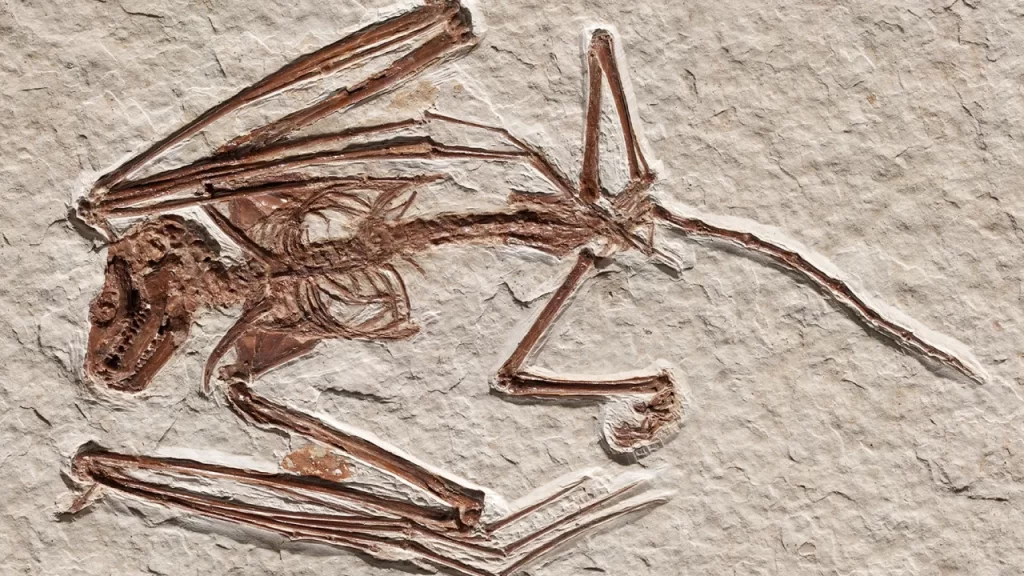
Bats are an evolutionary mystery because they are the only mammals that have developed the ability to fly. This unique adaptation has allowed them to occupy ecological niches that are not available to other mammals, such as hunting insects in the air and roosting in inaccessible places. Why bats are only mammals with ability to fly?
Scientists are still studying the evolutionary history of bats to understand how they developed the ability to fly. One theory is that bats evolved from small, arboreal mammals that glided from tree to tree, and over time developed the ability to fly through a series of adaptations in their wings, muscles, and respiratory systems.
Another mystery is how bats developed their sophisticated echolocation system, which allows them to navigate and locate prey in complete darkness. While some other animals, such as dolphins and whales, also use echolocation, bats have developed a much more complex and precise system. Researchers are still studying how this ability evolved and how it is encoded in the bat’s brain.
The unique adaptations of bats make them an important and fascinating subject of study for evolutionary biologists and other scientists.
Bats are indeed the only mammals capable of true flight, meaning they are able to sustain controlled and sustained flight using their own power. Other mammals such as flying squirrels and gliding possums are able to glide through the air but are not capable of sustained flight like bats.
Bats have evolved several unique adaptations that enable them to fly. One of the most important adaptations is their wings, which are made of a thin, flexible membrane of skin stretched over elongated finger bones. Bats are also able to adjust the shape of their wings in flight, allowing them to maneuver with great precision.
Bats also have a unique respiratory system that enables them to sustain high levels of activity during flight. They are able to take in large volumes of air and extract oxygen more efficiently than other mammals, which allows them to power their flight muscles for sustained periods of time.
Overall, the ability to fly has enabled bats to occupy ecological niches that are not available to other mammals, such as hunting insects in the air and roosting in inaccessible places. This has made them an important and fascinating subject of study for biologists and other scientists.
Also read: Who was the Shiva of Indus Valley?
