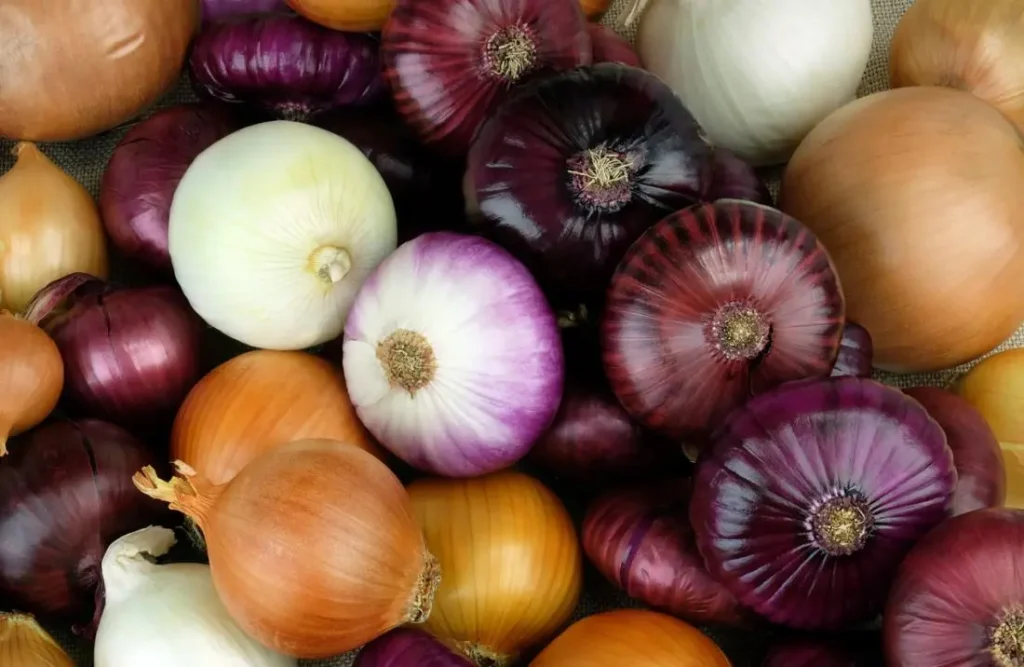
Onions are a kitchen staple that are used in many dishes, and there’s a good reason for that. If you’ve cooked recipes from your mom, grandma, Pinterest (or anywhere else), you may have noticed that savory recipes call for onions more often than not.
Whether they are raw, chopped, sautéed, or softened, onions are an extremely versatile ingredient, bringing not only delicious flavor but also some incredible health-related benefits!
From heart health to disease prevention, here’s why adding more onions to your meals might be one of the tastiest ways to boost your wellness.
Onions Have Many Antioxidants
Antioxidants may help prevent cell damage by fighting free radical molecules. Free radicals are developed when the body is exposed to radiation or tobacco smoke. These molecules can cause diabetes, heart disease, and cancer. By eating onions, you can help your body fight free radicals and improve your overall health.
Key benefits:
- Onions contain quercetin, a powerful antioxidant with antiviral and anti-inflammatory properties
- Help protect cells from oxidative stress
- May reduce risk of chronic conditions like heart disease and cancer
- Support immune system regulation
Helps Regulate Blood Sugar Levels
If you have diabetes, onions are an excellent way to help keep your blood sugar levels steady. The flavonoids in onions work to keep blood glucose levels stabilized. If levels are low, you might experience symptoms such as fatigue, anxiety, headaches, and many other signs.
Key benefits:
- Flavonoids in onions help stabilize glucose levels
- May improve insulin sensitivity
- Prevent energy crashes and spikes throughout the day
- Support better metabolic control
Improved Digestive Health
Onions contain a high amount of prebiotics and fiber. These compounds help improve gut health by aiding in digestion in the body, strengthening the immune system, and lowering inflammation. Onions are rich in fructans, a type of prebiotic fiber that serves as fuel for beneficial bacteria in the gut, leading to optimal digestive function.
Key benefits:
- High in prebiotics like fructans, which feed beneficial gut bacteria
- Rich in fiber to promote regular bowel movements
- Reduce risk of constipation and gastrointestinal issues
- May support immunity through better gut health
Onions are Loaded with Nutrients
Onions are considered to be a nutrient-dense food. This means that they contain a small number of calories and many nutrients. They are a great source of potassium and manganese. Potassium helps to increase energy and your metabolism.
It’s also known for its role in maintaining the balance of fluids in and out of cells, which is essential for proper cell function and overall hydration.
Key benefits:
- Great source of potassium, which aids muscle function and hydration
- Contains manganese to support connective tissue and bone health
- Help regulate metabolism and energy production
- Contribute to maintaining fluid balance in the body
Anti-Inflammatory Properties
As mentioned before, onions contain an important antioxidant called quercetin. Quercetin is also an anti-inflammatory that works to fight off inflammation within the body.
Its benefits extend to aiding conditions like arthritis, helping to alleviate joint pain and stiffness by inhibiting inflammatory molecules.
Key benefits:
- Quercetin works as a natural anti-inflammatory agent
- May ease symptoms of arthritis by reducing joint stiffness and pain
- Potential to support urinary health by reducing inflammation
- Aids in fighting systemic inflammatory conditions
May Help With Cancer
If you are concerned about your risk of developing cancer, you may want to consume more onions. The sulfur compounds, flavonoids, and antioxidants found in onions contribute to their anti-cancer properties.
Researchers found moderate consumption of onions appeared to reduce the risk of colorectal, laryngeal, and ovarian cancers.
Key benefits:
- Contain organosulfur compounds linked to anti-cancer effects
- Associated with reduced risk of colorectal, ovarian, and laryngeal cancers
- Rich in antioxidants that help protect DNA from damage
- Support detoxification processes in the body
Reduces Risks of Alzheimer’s Disease
Studies have been conducted to discover the relationship between quercetin and Alzheimer’s disease. These studies showed a significant association between consuming foods high in quercetin, such as onions, and having a lower chance of developing Alzheimer’s.
Key benefits:
- Quercetin may help protect brain cells from oxidative damage
- Linked to a lower risk of neurodegenerative diseases
- Supports long-term memory and cognitive function
- Easy dietary addition to support brain longevity
Great Source of Vitamin C
Did you know that onions contain a high amount of vitamin C? Vitamin C is a crucial component for maintaining optimal bodily functions, and onions are a fantastic source of this vital vitamin.
Vitamin C helps the formation of blood vessels, improves your immune system, and builds cartilage.
Key benefits:
- Aids in collagen production for skin and joints
- Supports a healthy immune response
- Assists with iron absorption and overall cell repair
- Helps the body fight off colds, flu, and infections
Supports Bone Health
Studies have proven that onions improve bone density in some people. As a result, the consumption of onions may help strengthen the bones and reduce the risk of fractures for people over the age of 50.
Key benefits:
- May increase bone mineral density, especially in women over 50
- Manganese content supports bone tissue and joint health
- Could reduce risk of fractures and osteoporosis
- Adds strength and resilience to your skeletal system
Antibacterial Properties
The antibacterial properties of allicin in onions help the colon fight off harmful bacteria. Allicin is the compound that gives off the unique, pungently strong smell of an onion. You can think of allicin as your fighter against toxins and illnesses.
Key benefits:
- Rich in allicin, which has antibacterial and antifungal effects
- May help protect the colon and digestive tract from harmful microbes
- Supports overall gut balance and detoxification
- Natural way to reinforce the body’s defenses
Onion Nutritional Facts
Now that you understand the delicious health benefits of onion, let’s dig into onion nutrition and see how each onion’s nutrition facts differ. Common onion varieties are red, white, and yellow, with each type of onion containing mostly water, carbohydrates, and fiber. Onions are also a great source of important vitamins like iron, calcium, and vitamin B6!
