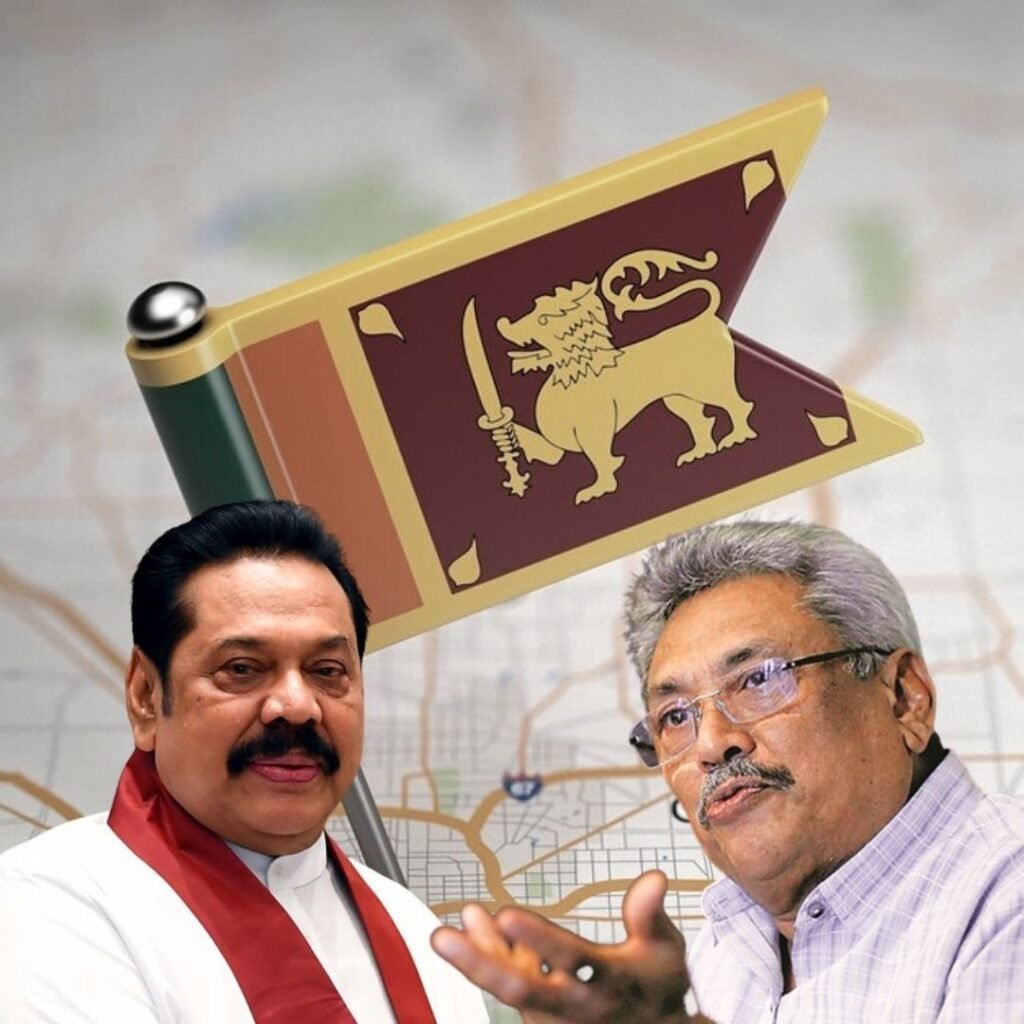
The crisis in Sri Lanka has been frontline news. And, many people wonder, what triggered it? Well, it is hard to lay blame on a single person or as government to be precise. Although, many lay blame on the autocratic setup of Sri Lankan governance. But, as the English proverb says “the devil is in the details”. So, let us delve into the details.
Historically, the crisis has become severe in 2022, when the country has seen the worst energy shortage. The energy cut had reached up to 12 to 13 hours. Which has ultimately led to the worsening of economic machinery, as it was largely inactive. The government has advised the citizens to work from their homes so that energy could be conserved. The people ultimately came out on the street to record protests.
The government has launched the policy of reducing imports in order to achieve a balance of payment. So, many imports including petroleum products were being either completely banned or their import was reduced. This has ultimately led to record inflation. Since Sri Lanka has been facing problems with the balance of payment, and massive debt which is primarily taken from IMF. And, IMF has its Structural adjustment plane (SAP) which advocated removing any relief in form of subsidies that the government is providing to certain sectors especially energy-related sectors. So, the ultimate result of removing subsidies and imposing more taxes leads one side to inflation and on another side into a vicious cycle of the debt trap. Partly, to blame his the country’s tax collection regime, which has failed miserably in meeting the tax target. Which is a classical case study of many third-world countries being victims of debt traps. The same has been the case with Sri Lanka.
The mismanagement can be attributed somewhat to the governance failure but, one thing shall not be ignored by any means. At the root of the problem is also consumer-centric culture which is being developed by global commercial centers. Massive public debt and balance of payment crisis emerge largely because of massive imports, which at times depends not on needs but, luxuries. So, the consumer-centric climate needs to be revised in case of governments really want to cope-up with the challenge.
What lies ahead for countries like Sri Lanka is the option that whether they shall revisit their bent toward getting back to Western-controlled global institutions like IMF to get their economy back on track (which is highly unlikely) or make a policy shift toward China and join Beijing consensus. The former president has shown his intent to look for the option but he is no more at the helm of affair. Now, the future seems the destiny of a third-world country living for eternity in the vicious cycle of the debt trap. And, a question is persevering for all those countries tied by similar fortune to reconsider their direction or meet the destiny which is meant to be haunting. And, one will ask: “Whether it was a crisis of fortune or a crisis of choice”.
