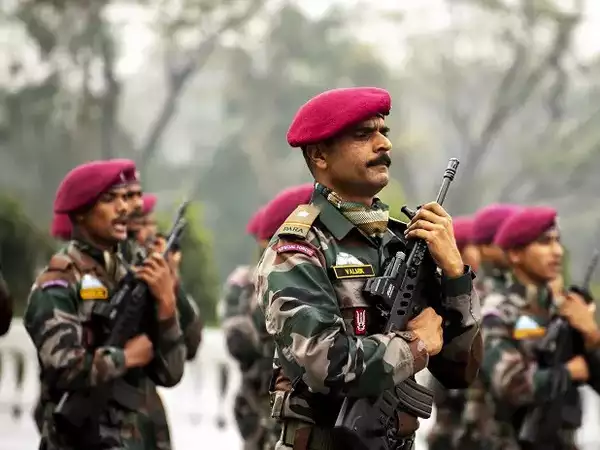
On June 14, India introduced a new scheme called “Agni Path”. Against this scheme, there are nationwide protests all over India. If this scheme is very good then why the Indian public is on the roads and protesting against their Government everyone is on the streets against this scheme today. Why the violent protests are against this scheme? This scheme is basically a recruitment scheme of how people will be recruited and new induction into the Indian Army but when we go into its deep, we find out that how dangerous the objectives and policies of this scheme are.
Agni Path means the path of fire or fire path, and a new rank is being introduced in the Indian Army named “Agni Veer”. The time duration of employment will be 4 years. This scheme is being implemented from September 2022. The young generation is frustrated that after getting jobs under the Agni Path scheme, they will be fired from the army after four years, and they will become unemployed. A series of suicides have started in India over the scheme. Many have taken to the streets in several states, including Bihar, Telangana, Uttar Pradesh, and West Bengal, to protest against the plan.
Protesters have burnt buses and railway coaches in Bihar and Telangana. In some places, they have accused the police of using excessive force. The Agnipath scheme poses the greatest threat, in fact, to the Indian national State itself as it will disperse violence and weaponry back to the Indian social order. It will create more, not fewer challenges, to the State’s monopoly of violence. The primary social exception to the Indian State’s monopoly on violence remains the Rashtriya Swayamsevak Sangh (RSS). As the largest paramilitary volunteer body, it wields sticks.
Today, the RSS is more powerful than ever. Modi cut his teeth in sectarian politics as a member of the RSS, and his Bharatiya Janata Party (BJP) is one of a number of RSS offshoot organizations. Ideology is critical to its success. When the BJP stands for elections, it does not merely stand against other parties on policy grounds. It stands to challenge the secular constitutional order on which the Indian Republic was founded. Before coming to power nationally, Modi was Chief Minister of Gujarat state, which had a history of intercommunal violence that was often exploited for political gains by local politicians.
BJP is one of a few dozen institutions that comes under the direct control of the RSS which now holds the most power since it was founded in 1925. Modi was a full-time campaigner before it assigned him to the BJP.
Modi is ruling the country during 2nd tenure and in both regimes, he executed plans that trend the country towards violence, extremism, and disintegration. The Agnipath scheme will contribute its role to sharpening the division within India. In order to highlight internal division, there is a prominent visible brawl and riots between Hindus and minorities including low caste Hindus. The elite Hindu community won’t allow any other community to shine and it shows that Modi has achieved success in his objective.
It is expected that the Agnipath scheme will force minorities of India to become part of this force and this would be a great chance for Modi to eradicate minorities from the country. UNO and other Human Rights organizations should watch out for the future of minorities of India and other regional countries.
