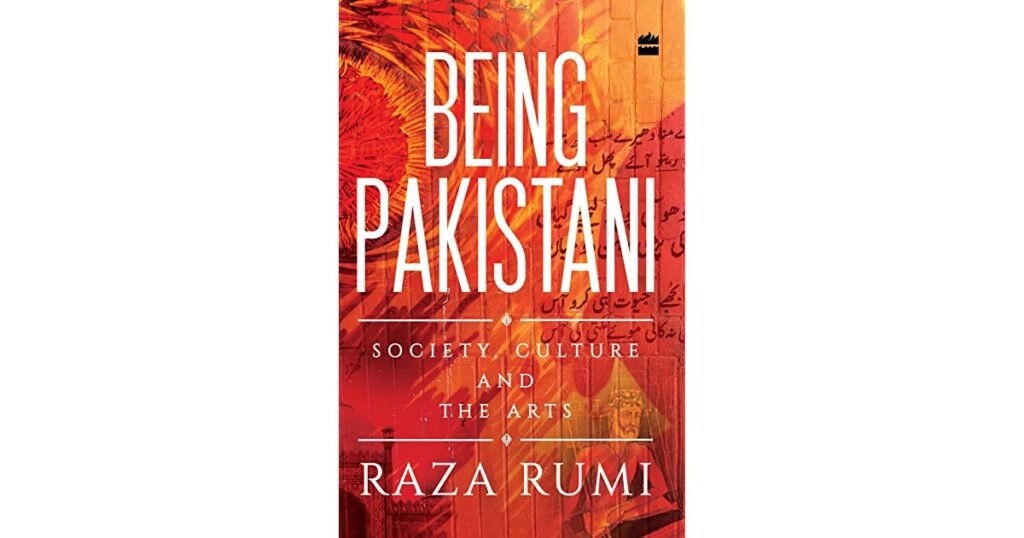
Raza Rumi is a renowned Pakistani journalist, author, public speaker, and prominent analyst, known worldwide, particularly in South Asia for his views on subcontinent history, culture, and the art. Apart from writing hundreds of columns and articles in prestigious publications, he is also an acclaimed writer having written a few books including, Delhi by Heart: Impressions of a Pakistani Traveller, The Fractious Path: Pakistan’s Democratic Transition, Identity, Faith and Conflicts and Being Pakistani: Society, Culture and The Arts.
“Being Pakistani: Culture, Society and The Arts” by Raza is a collection of essays published in June 2016. Essays about culture, society, literature, music, and history are fabulous and argue different aspects of Pakistan’s history, culture, and the arts. Raza is not traditional, he takes a realistic approach and negates false claims of one culture and one nation as we learn in curriculum books. Raza’s work is incredible in presenting the shared cultural past among the people of three separate states Pakistan, India, and Bangladesh.
When I was studying this book, I was thinking about Raza’s hard work, research, and deep analysis. His essays are unique and explain a holistic view rather than a linear version of national history. Before depth analysis, I want to tell you that, two things attracted me to this book, first Raza’s liberal and humane touch. Secondly, his diverse approach to Pakistani culture, society, and the arts.
The book has divided into versions as devotion, literature, and arts, at the least two different articles, are also included, which are incredible and enthusiastic to read. The book starts with the powerful and soulful voices of Kabir, Bulleh Shah, and Lalon Shah. Those were in different times and different areas, but their poetry shared a tune of love, and rejection of formal identities based on caste, creed, and religion. Raza also wrote about the film industry, drama industry, and how music influences the culture.
Moreover, Raza discusses in detail the Indus river, its culture, and the lifestyle of its inhabitants, which is more similar to the Ganga-Jumna civilization, Sindh’s history, different temples, Sufi of Sindh, and the practice of different religions in different times.
The second version of the book is the most interesting and favorite part of this book which revolves around Urdu literature and its impact on Pakistan society. The novels of Qurat-ul-Ain, the short stories of Manto, the stories of Intazair Hussain, and the poetry of Fehmida Riaz and Mustafa Zaidi are mentioned. And the impact of these writers on the nation’s attitudes and society has been examined. Also here, the writer examines the Pakistan literature in the age of terror. Here, also Raza is not happy with the radical and destructive activities done in Pakistan in the name of religion.
The next part of the book contains a discussion on Pakistani art, calligraphy, paintings, truck art, miniature, and music. There are two articles at the end of the book. One article is about Lahore and the other is about his visit to Bangladesh. The history, culture, literature, and various emperors of Lahore are mentioned. In a nutshell, I want to close this review article by arguing that Raza has done a great job. Such kinds of books must be written and welcomed by the readers because the truth is hidden. From prep to the university level, we read conventional history about culture, social values, and ethos. This has to be changed now.

One thought on “Book Review: Being Pakistani by Raza Rumi”
بہت خوب
Appreciated